Special Web Offer - Get 50% OFF!
Grab Your Deal Now
PlantSnap
Plant Care
Walker's cattleya
(Cattleya walkeriana)
Also Known As
Walker's cattleya, Brazilian cattleya, Walker’s cattleya, Cattleya
About This Plant
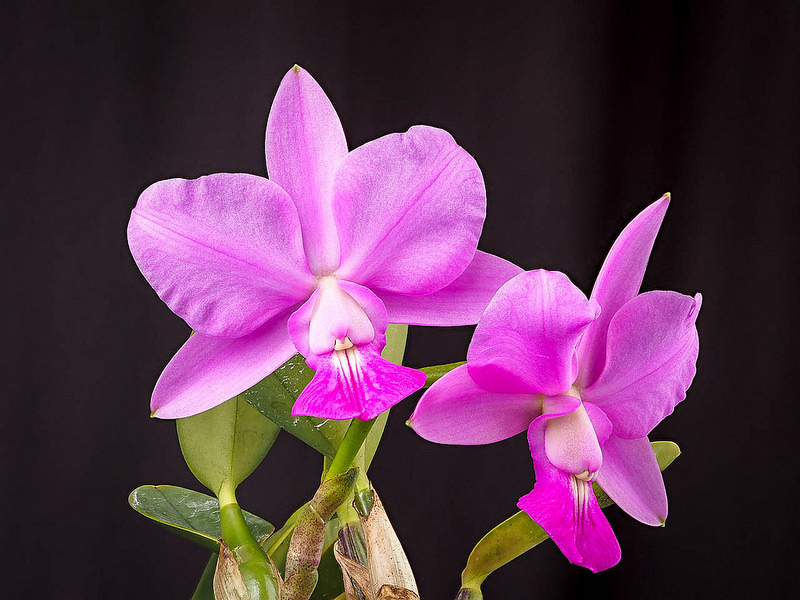
Cattleya walkeriana is a species of orchid that is native to Brazil. It has pseudobulbs, which are enlarged stems that store water and nutrients, and produces one to three fragrant flowers per stem. The flowers are typically pink or lavender with a yellow throat, and are about 4-5 inches (10-13 cm) in diameter.
Plant Care Instructions
Outdoor Size Range
N/A
Light Requirements
Cattleya walkeriana prefers bright, indirect light. Direct sunlight can burn the leaves and flowers.
Humidity Needs
Cattleya walkeriana prefers high humidity levels, between 50-70%. Use a humidifier or place a tray of water near the plant to increase humidity.
Fertilizing Schedule
Use a balanced orchid fertilizer every two weeks during the growing season, and once a month during the dormant season. Dilute the fertilizer to half strength.
Pruning Guidelines
After the flowers have faded, cut the stem back to the pseudobulb. Remove any dead or yellowing leaves as needed.
Common Pests and Diseases
Common pests include spider mites, mealybugs, and scale insects. Treat with an insecticidal soap or neem oil.
Indoor Size Range
N/A
Watering Schedule
Water the plant thoroughly once a week during the growing season, and once every two weeks during the dormant season. Allow the potting mix to dry out slightly between waterings.
Temperature Range
Cattleya walkeriana prefers temperatures between 60-85°F (15-29°C). It can tolerate cooler temperatures at night, but avoid temperatures below 50°F (10°C).
Growing Season
The growing season for Cattleya walkeriana is from spring to fall.
Growing Difficulty Level
Cattleya walkeriana is considered moderately difficult to grow. It requires high humidity levels and specific temperature ranges.
USDA Hardiness Zones
Cattleya walkeriana is not cold hardy and should be grown indoors or in a greenhouse.
Did You Know?
Cattleya walkeriana was named after Thomas Walker, an English orchid enthusiast who discovered the species in Brazil in the mid-1800s.
