Special Web Offer - Get 50% OFF!
Grab Your Deal Now
PlantSnap
Plant Care
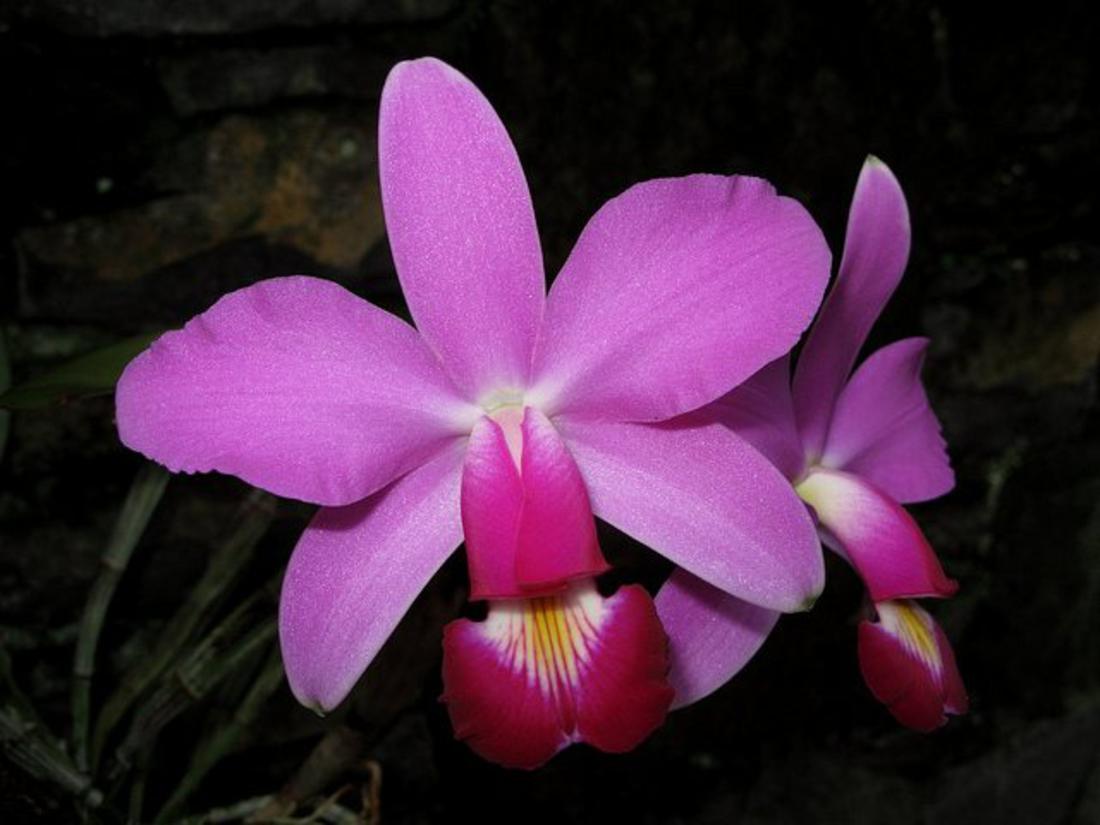
Violet cattleya
(Cattleya violacea)
Also Known As
Violet cattleya, Violet orchid, Cattleya
About This Plant
Cattleya violacea is a species of orchid that produces large, showy flowers that are typically purple in color. It is native to Brazil and can be found growing in the wild in the Atlantic Forest region.
Plant Care Instructions
Outdoor Size Range
N/A
Light Requirements
Cattleya violacea requires bright, indirect light. Direct sunlight can burn the leaves and flowers.
Humidity Needs
Cattleya violacea prefers high humidity, around 50-70%. A humidifier or a tray of water near the plant can help to increase humidity levels.
Fertilizing Schedule
Fertilize Cattleya violacea with a balanced orchid fertilizer every 2-3 weeks during the growing season (spring and summer). Reduce fertilization during the fall and winter.
Pruning Guidelines
Remove spent flowers and yellowing leaves as soon as possible to prevent the spread of disease. Prune the plant in the spring to promote new growth.
Common Pests and Diseases
Common pests that can affect Cattleya violacea include spider mites, scale insects, and mealybugs.
Indoor Size Range
12-24 inches (30-61 cm)
Watering Schedule
Water Cattleya violacea when the potting mix is almost dry. Do not allow the mix to dry out completely, as this can damage the roots. The frequency of watering will depend on the temperature and humidity of the growing environment.
Temperature Range
Cattleya violacea prefers temperatures between 60-80°F (15-27°C) during the day and around 50-60°F (10-15°C) at night.
Growing Season
Cattleya violacea typically grows and blooms in the spring and summer.
Growing Difficulty Level
Cattleya violacea can be moderately difficult to grow, as it has specific requirements for light, temperature, and humidity. However, with proper care, it can thrive and produce beautiful flowers.
USDA Hardiness Zones
Cattleya violacea is not suitable for outdoor cultivation, therefore it does not have a USDA hardiness zone.
Did You Know?
Cattleya violacea was first discovered in the 1800s and quickly became a popular orchid for collectors and enthusiasts due to its large, fragrant flowers.