Special Web Offer - Get 50% OFF!
Grab Your Deal Now
PlantSnap
Plant Care
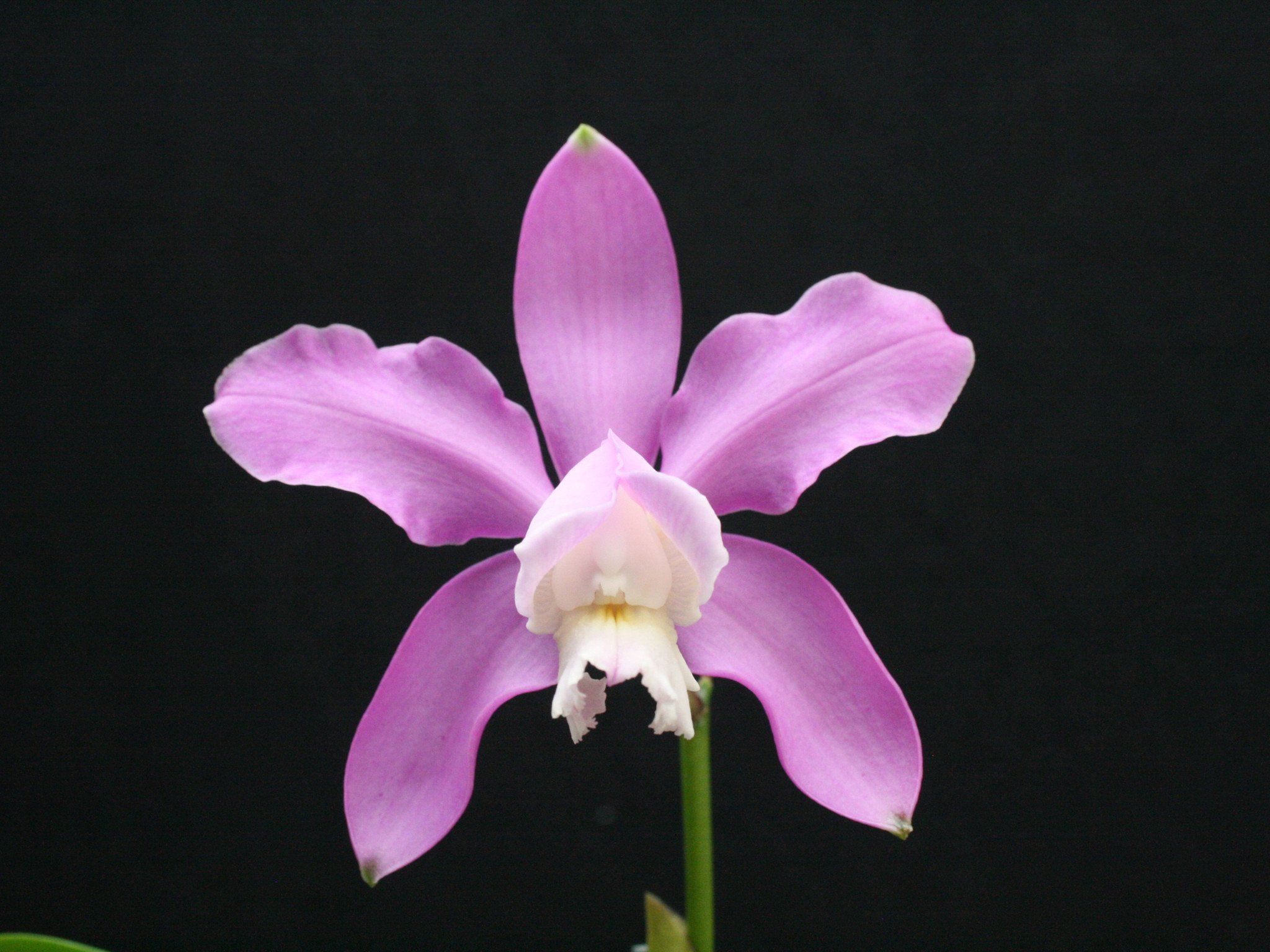
Harrison's cattleya
(Cattleya harrisoniana)
Also Known As
Harrison's cattleya, Cattleya orchid
About This Plant
Cattleya harrisoniana is a species of orchid native to Brazil. It has large, fragrant flowers with a white lip and pink petals and sepals. The plant has pseudobulbs that store water and nutrients, allowing it to survive in dry conditions.
Plant Care Instructions
Outdoor Size Range
N/A
Light Requirements
Cattleya harrisoniana requires bright, indirect light. Direct sunlight can scorch the leaves and flowers.
Humidity Needs
Cattleya harrisoniana prefers high humidity levels between 50-70%. Use a humidifier or place a tray of water near the plant to increase humidity.
Fertilizing Schedule
Feed the plant with a balanced fertilizer every two weeks during the growing season (spring and summer). Reduce fertilization in the winter months.
Pruning Guidelines
Remove spent flowers and yellowing leaves to promote new growth. Prune the plant in the spring after flowering to maintain its shape.
Common Pests and Diseases
Common pests include spider mites, mealybugs, and scale insects. Treat with insecticidal soap or neem oil.
Indoor Size Range
12-24 inches (30-60 cm)
Watering Schedule
Water the plant thoroughly when the top inch of the potting mix is dry. Reduce watering in the winter months.
Temperature Range
The plant prefers temperatures between 60-80°F (16-27°C) during the day and 50-60°F (10-16°C) at night.
Growing Season
The growing season for Cattleya harrisoniana is spring and summer.
Growing Difficulty Level
Cattleya harrisoniana is moderately difficult to grow. It requires specific light, humidity, and temperature conditions to thrive.
USDA Hardiness Zones
Cattleya harrisoniana is not suitable for outdoor cultivation and does not have a USDA hardiness zone.
Did You Know?
Cattleya harrisoniana was named after the English orchid collector, Harrison, who discovered the plant in Brazil in the 1800s.
