Special Web Offer - Get 50% OFF!
Grab Your Deal Now
PlantSnap
Plant Care
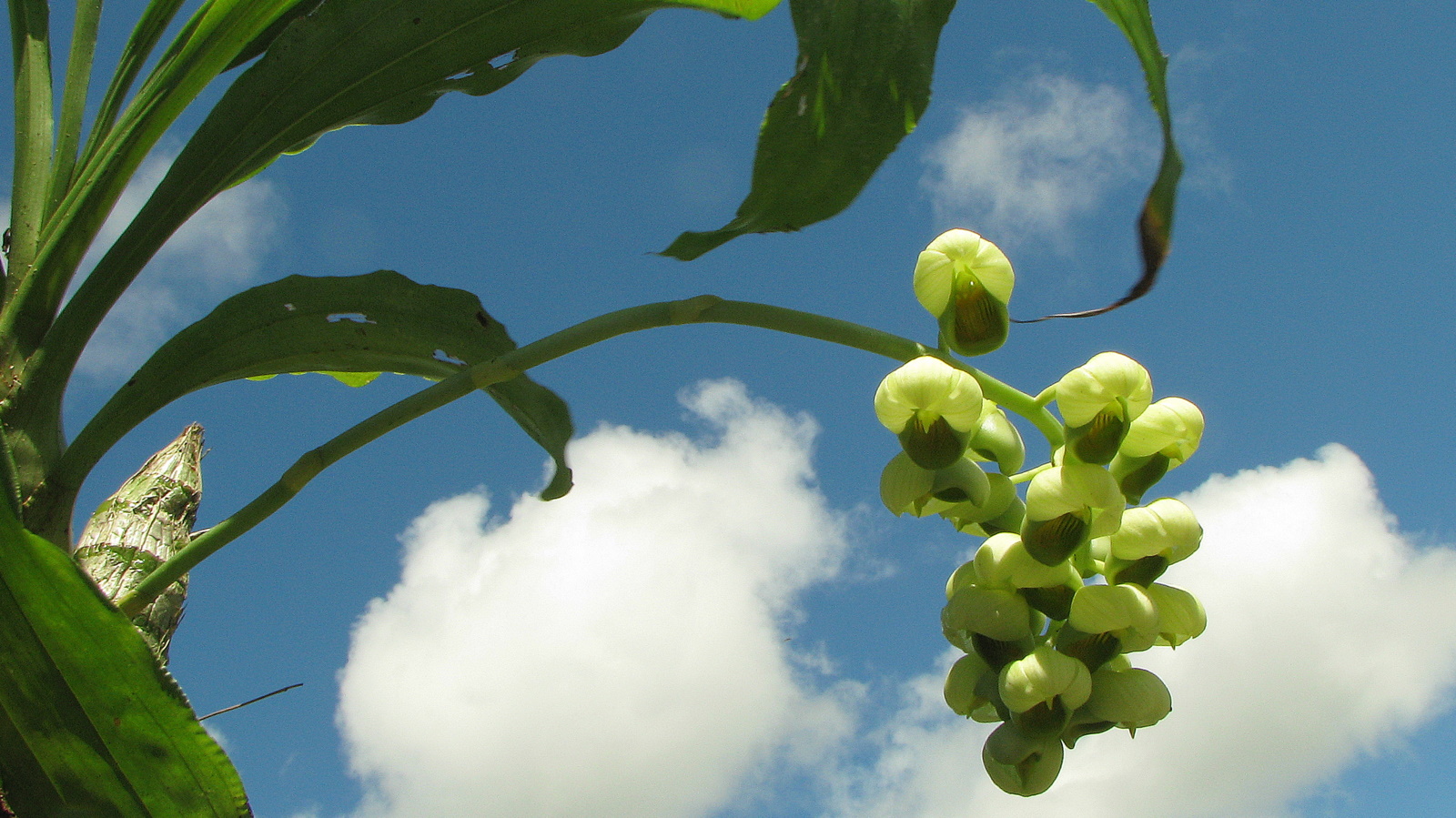
Yellow catasetum
(Catasetum luridum)
Also Known As
Yellow catasetum, Lurid catasetum, Lurid orchid
About This Plant
Catasetum luridum is a species of orchid native to South America. It is an epiphytic plant that grows on trees in the rainforest. The plant is known for its unique flowers that have a complex mechanism for pollination.
Plant Care Instructions
Outdoor Size Range
Height: 12-24 inches (30-60 cm), Spread: 12-18 inches (30-45 cm)
Light Requirements
Catasetum luridum requires bright, indirect light. Avoid direct sunlight as it can burn the leaves.
Humidity Needs
This plant requires high humidity levels. Use a humidifier or place a tray of water near the plant to increase humidity.
Fertilizing Schedule
Fertilize the plant every two weeks during the growing season with a balanced fertilizer. Stop fertilizing during the dormant season.
Pruning Guidelines
Prune the plant after flowering to encourage new growth. Remove any dead or yellowing leaves.
Common Pests and Diseases
Common pests for Catasetum luridum include spider mites, mealybugs, and scale insects. Use insecticidal soap to control these pests.
Indoor Size Range
N/A
Watering Schedule
Water the plant thoroughly when the top inch of soil is dry. Allow the soil to dry out slightly between waterings.
Temperature Range
Catasetum luridum prefers temperatures between 60-80°F (15-27°C).
Growing Season
Catasetum luridum grows actively during the spring and summer months.
Growing Difficulty Level
Catasetum luridum is considered a moderately difficult plant to grow. It requires specific growing conditions and can be sensitive to changes in environment.
USDA Hardiness Zones
Catasetum luridum is not cold hardy and cannot tolerate frost. It is recommended for USDA hardiness zones 10-11.
Did You Know?
Catasetum luridum has a unique method of pollination. The male flowers have a sticky pollen mass that is catapulted onto the back of visiting bees, while the female flowers have a sticky stigma that captures the pollen as the bee visits. This ensures cross-pollination and increases genetic diversity.