Special Web Offer - Get 50% OFF!
Grab Your Deal Now
PlantSnap
Plant Care
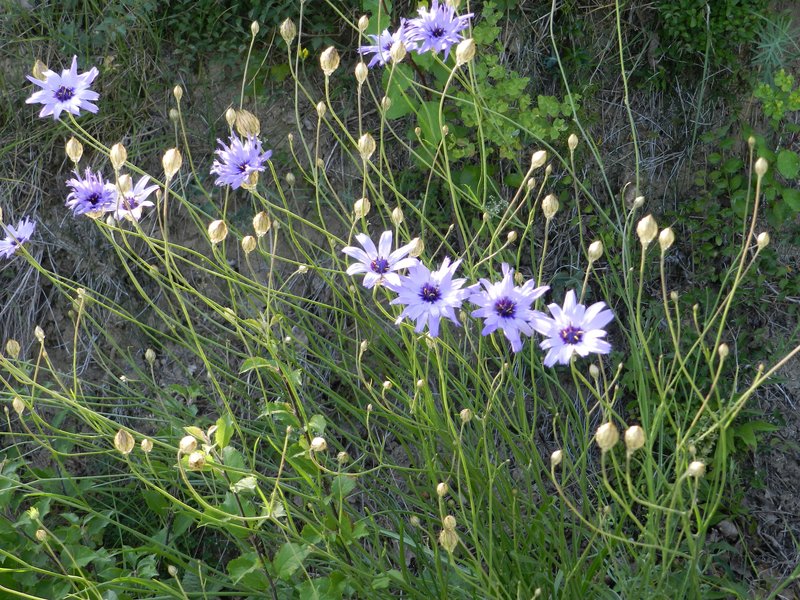
Cupid's dart
(Catananche caerulea)
Also Known As
Cupid's dart, Blue butterfly, Catananche
About This Plant
Catananche caerulea, commonly known as Cupid's dart, is a herbaceous perennial plant that belongs to the Asteraceae family. It is native to the Mediterranean region and is widely cultivated as an ornamental plant for its attractive blue flowers.
Plant Care Instructions
Outdoor Size Range
24-36 inches (60-90 cm)
Light Requirements
Cupid's dart plants require full sun to partial shade for optimal growth. They can tolerate some shade, but too much shade can cause the plant to become leggy and weak.
Humidity Needs
Cupid's dart plants do not have any specific humidity requirements and can tolerate a wide range of humidity levels.
Fertilizing Schedule
Fertilize Cupid's dart plants every two weeks during the growing season with a balanced fertilizer. Avoid over-fertilizing, as this can cause the plant to become leggy and weak.
Pruning Guidelines
Deadhead spent flowers regularly to encourage more blooms. Pinch back the tips of the stems in the spring to promote bushier growth.
Common Pests and Diseases
Cupid's dart plants are generally pest-free, but they can occasionally be affected by aphids, spider mites, and whiteflies. Treat infestations with insecticidal soap or neem oil.
Indoor Size Range
12-24 inches (30-60 cm)
Watering Schedule
The soil should be kept moist but not waterlogged. Water the plant deeply once a week, or more frequently during hot, dry weather.
Temperature Range
These plants prefer moderate temperatures ranging from 60-75°F (15-24°C). They can tolerate some heat and cold, but extreme temperatures can be harmful to the plant.
Growing Season
Cupid's dart plants bloom from mid-summer to early fall.
Growing Difficulty Level
Cupid's dart plants are relatively easy to grow and maintain, making them a great choice for beginner gardeners.
USDA Hardiness Zones
Cupid's dart plants are hardy in USDA zones 5-9.
Did You Know?
The name 'Catananche' comes from the Greek words 'katanasso' meaning 'to comb' and 'anchus' meaning 'a plant'. This refers to the comb-like bracts that surround the flower head.
