Special Web Offer - Get 50% OFF!
Grab Your Deal Now
PlantSnap
Plant Care
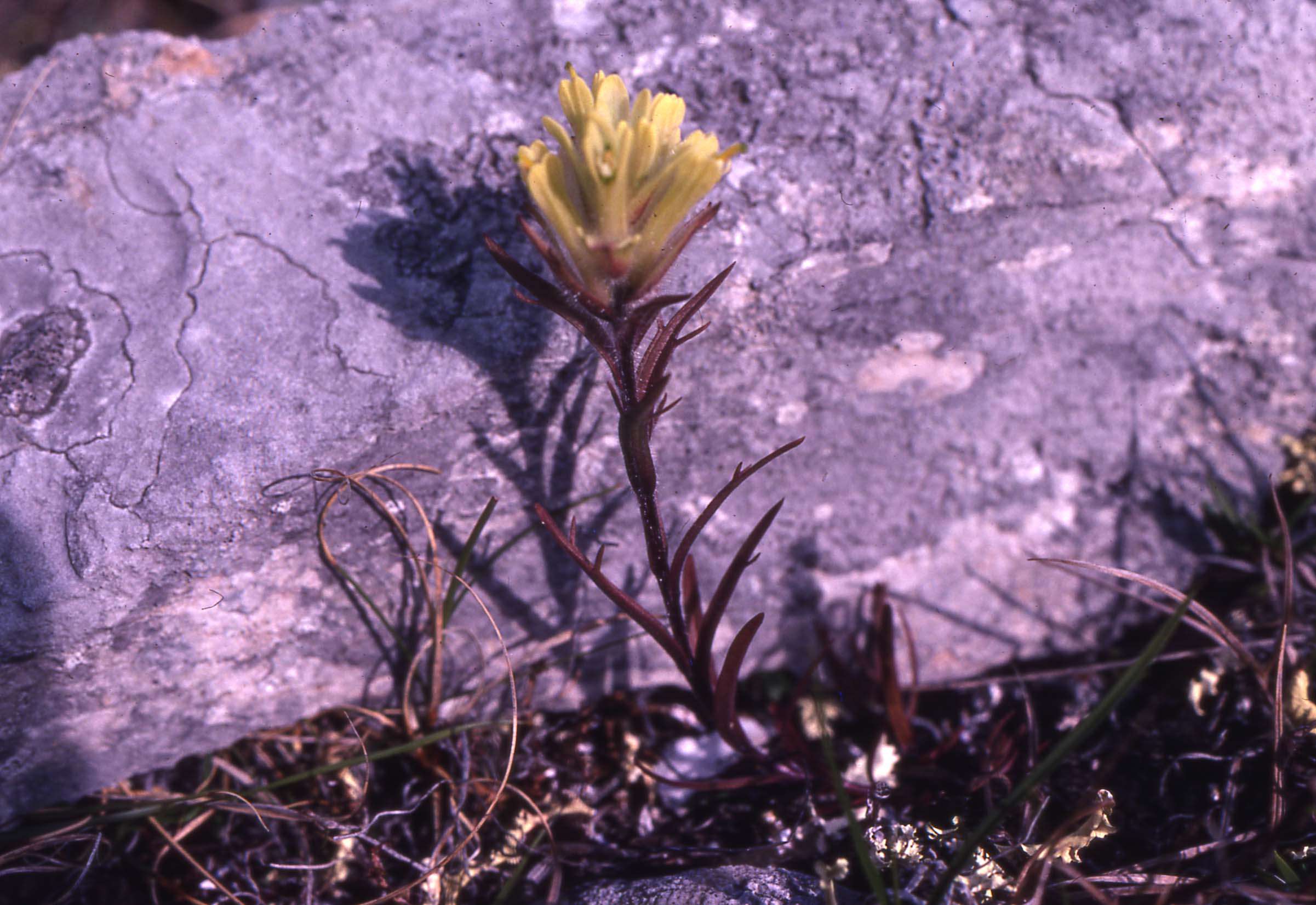
Arctic paintbrush
(Castilleja hyperborea)
Also Known As
Arctic paintbrush, Northern indian paintbrush, Alaska paintbrush
About This Plant
Castilleja hyperborea is a perennial herbaceous plant species that belongs to the Orobanchaceae family. It is commonly known as Arctic Indian paintbrush and is native to North America. The plant species is hemiparasitic, which means it derives some of its nutrients from other plants through its roots.
Plant Care Instructions
Outdoor Size Range
6-18 inches (15-45 cm) tall and 6-12 inches (15-30 cm) wide
Light Requirements
Arctic Indian paintbrush requires full sun to partial shade for optimal growth. It can tolerate direct sunlight in cooler climates.
Humidity Needs
Arctic Indian paintbrush can tolerate low to moderate humidity levels.
Fertilizing Schedule
Arctic Indian paintbrush does not require frequent fertilization. A light application of a balanced fertilizer once a month during the growing season can help promote healthy growth.
Pruning Guidelines
Pruning is not necessary for Arctic Indian paintbrush, but removing spent flowers can help promote blooming.
Common Pests and Diseases
Arctic Indian paintbrush is not prone to pests or diseases.
Indoor Size Range
Not suitable for indoor growth
Watering Schedule
This plant species prefers moderate watering, and it is essential to keep the soil moist but not waterlogged. It is best to water the plant when the topsoil is dry to the touch.
Temperature Range
This plant species prefers cool to cold temperatures and can tolerate frost. It is best to keep the plant in a location with a temperature range of 45-70°F (7-21°C).
Growing Season
Arctic Indian paintbrush grows in the summer season.
Growing Difficulty Level
Arctic Indian paintbrush is moderately difficult to grow due to its specific light, temperature, and moisture requirements.
USDA Hardiness Zones
Arctic Indian paintbrush is hardy in USDA zones 2-8.
Did You Know?
Arctic Indian paintbrush is an important plant species in the ecosystem as it provides a habitat for various insects, birds, and mammals. It is also the state flower of Wyoming in the United States.
