Special Web Offer - Get 50% OFF!
Grab Your Deal Now
PlantSnap
Plant Care
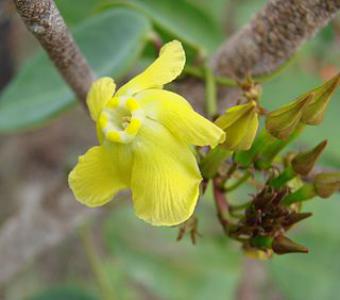
Lucky nut
(Cascabela thevetioides)
Also Known As
Lucky nut, Desert oleander, Thevetia, Yellow oleander
About This Plant
Cascabela thevetioides is a species of flowering plant in the family Apocynaceae, native to South America. It is a small evergreen tree or shrub that can grow up to 10-20 feet (3-6 meters) tall. The leaves are glossy, dark green, and lance-shaped. The flowers are trumpet-shaped and range in color from yellow to orange.
Plant Care Instructions
Outdoor Size Range
10-20 feet (3-6 meters)
Light Requirements
Yellow Oleander prefers full sun but can tolerate partial shade.
Humidity Needs
Yellow Oleander prefers moderate to high humidity levels.
Fertilizing Schedule
Fertilize the plant with a balanced fertilizer every two weeks during the growing season.
Pruning Guidelines
Yellow Oleander requires minimal pruning, but it can be pruned to maintain its shape and size.
Common Pests and Diseases
Yellow Oleander is susceptible to spider mites, scale insects, and mealybugs.
Indoor Size Range
N/A
Watering Schedule
Water the plant deeply once a week during the growing season and reduce watering in the winter.
Temperature Range
Yellow Oleander prefers warm temperatures between 60-85°F (16-29°C).
Growing Season
Yellow Oleander grows best during the spring and summer months.
Growing Difficulty Level
Yellow Oleander is moderately difficult to grow due to its toxicity and susceptibility to pests.
USDA Hardiness Zones
Yellow Oleander is hardy in USDA zones 9-11.
Did You Know?
All parts of the Yellow Oleander plant are highly toxic and can be fatal if ingested. It is commonly used in traditional medicine, but should only be used under the guidance of a trained professional.