Special Web Offer - Get 50% OFF!
Grab Your Deal Now
PlantSnap
Plant Care
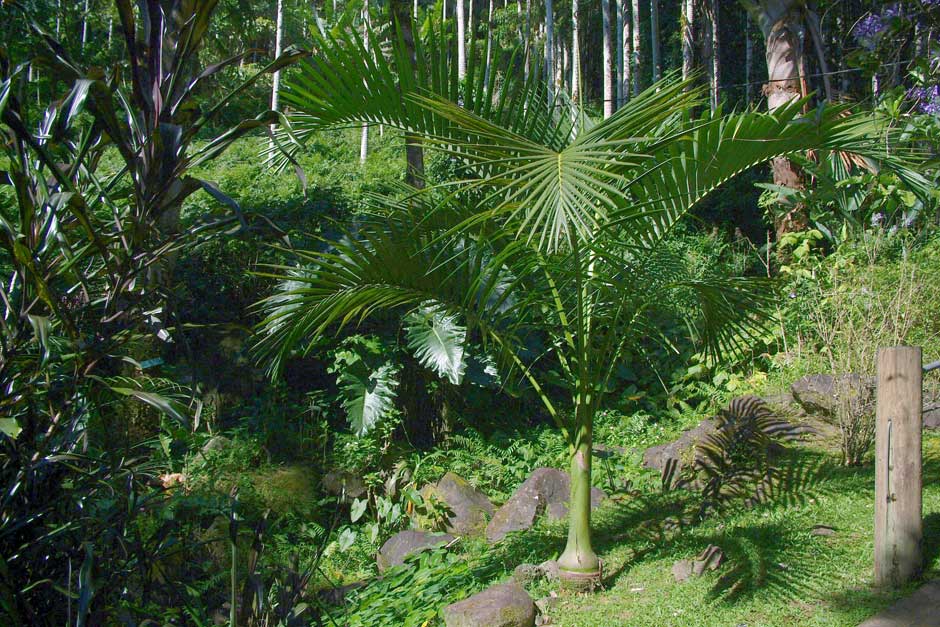
Big-seed palm
(Carpoxylon macrospermum)
Also Known As
Big-seed palm, Giant palm, Giant chinkapin, Mighty palm
About This Plant
Carpoxylon macrospermum is a species of palm native to the rainforests of Southeast Asia. It is a solitary, single-stemmed palm tree that can grow up to 20 m (66 ft) tall, with a trunk diameter of up to 30 cm (12 in). The leaves are pinnate and can reach up to 6 m (20 ft) long, making it one of the largest palm leaves in the world.
Plant Care Instructions
Outdoor Size Range
Up to 20 m (66 ft) tall and trunk diameter of up to 30 cm (12 in)
Light Requirements
Carpoxylon macrospermum prefers bright, indirect light, but can also tolerate partial shade.
Humidity Needs
Carpoxylon macrospermum prefers high humidity levels, around 60-70%. It is recommended to place a humidifier near the plant or mist the leaves regularly.
Fertilizing Schedule
Fertilize the palm every 2-3 months during the growing season (spring and summer) with a balanced fertilizer. Do not fertilize during the winter months.
Pruning Guidelines
Prune any dead or damaged fronds as necessary, being careful not to damage the trunk.
Common Pests and Diseases
Common pests for Carpoxylon macrospermum include spider mites and mealybugs. Diseases are not typically a problem for this species.
Indoor Size Range
Not suitable for indoor growth
Watering Schedule
This palm requires regular watering, keeping the soil consistently moist, but not waterlogged. It is important to allow the soil to dry out slightly between waterings.
Temperature Range
This palm prefers warm temperatures, ideally between 20-30°C (68-86°F). It can tolerate temperatures as low as 10°C (50°F), but not for extended periods of time.
Growing Season
Carpoxylon macrospermum can be grown year-round in tropical climates, but it prefers to grow during the rainy season.
Growing Difficulty Level
Carpoxylon macrospermum is considered a moderately difficult plant to grow, as it requires specific growing conditions and regular maintenance.
USDA Hardiness Zones
Carpoxylon macrospermum is not cold-hardy and can only be grown outdoors in USDA hardiness zones 10-11.
Did You Know?
The leaves of Carpoxylon macrospermum are used by indigenous people in Southeast Asia to make baskets, mats, and even roofing material for their homes.