Special Web Offer - Get 50% OFF!
Grab Your Deal Now
PlantSnap
Plant Care
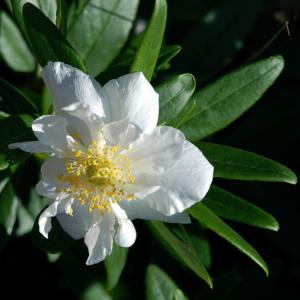
Tree anemone
(Carpenteria californica)
Also Known As
Tree anemone, Bush anemone, California bush anemone
About This Plant
Carpenteria californica is a flowering plant species native to California. It is a deciduous shrub that can grow up to 10 feet (3 meters) tall and 6 feet (1.8 meters) wide. The plant produces fragrant white flowers that bloom in late spring and early summer.
Plant Care Instructions
Outdoor Size Range
Up to 10 feet (3 meters) tall and 6 feet (1.8 meters) wide
Light Requirements
Carpenteria californica thrives in full sun to partial shade. It requires at least 4-6 hours of direct sunlight per day.
Humidity Needs
Carpenteria californica prefers moderate to high humidity levels. It can benefit from occasional misting or placement in a humid environment.
Fertilizing Schedule
Carpenteria californica does not require a lot of fertilizer. It can benefit from a light application of a balanced fertilizer in the spring.
Pruning Guidelines
The plant should be pruned after flowering to remove any dead or damaged wood. It can also be pruned to maintain its shape and size.
Common Pests and Diseases
Carpenteria californica is relatively pest and disease-free. However, it can be susceptible to root rot if the soil is too wet.
Indoor Size Range
Not suitable for indoor growth
Watering Schedule
The plant requires regular watering during the growing season. It should be watered deeply once a week, but the soil should be allowed to dry out slightly between waterings.
Temperature Range
The plant can tolerate a wide range of temperatures and is hardy in USDA zones 8-10. It can withstand temperatures as low as 10°F (-12°C) and as high as 100°F (38°C).
Growing Season
The growing season for Carpenteria californica is from late spring to early fall.
Growing Difficulty Level
Carpenteria californica is considered moderately difficult to grow. It requires specific growing conditions, such as well-draining soil and adequate sunlight.
USDA Hardiness Zones
USDA hardiness zones 8-10
Did You Know?
Carpenteria californica is named after William M. Carpenter, a botanist and physician who discovered the plant in 1866.