Special Web Offer - Get 50% OFF!
Grab Your Deal Now
PlantSnap
Plant Care
Natal plum
(Carissa macrocarpa)
Also Known As
Natal plum, Carissa, Bush plum
About This Plant
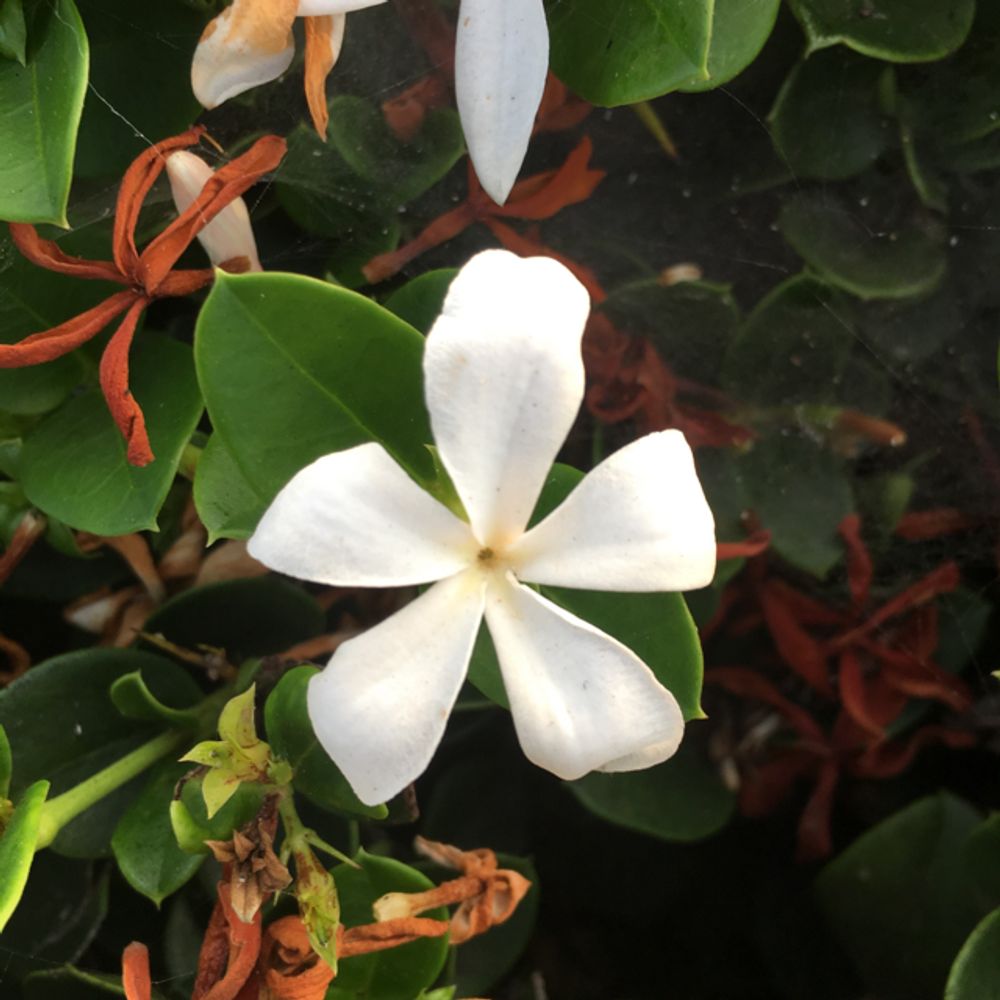
Carissa macrocarpa is an evergreen shrub or small tree with glossy dark green leaves and fragrant white flowers. The plant produces edible red berries that are sweet and juicy. It is commonly used as an ornamental plant in gardens and as a hedge plant due to its thorny branches.
Plant Care Instructions
Outdoor Size Range
4-8 feet (1.2-2.4 m)
Light Requirements
Carissa macrocarpa prefers full sun to partial shade. It can tolerate some shade but may not flower as well.
Humidity Needs
Carissa macrocarpa prefers moderate humidity levels, but can tolerate lower levels.
Fertilizing Schedule
The plant benefits from regular fertilization during the growing season with a balanced fertilizer. It is best to avoid fertilizing during the winter months.
Pruning Guidelines
Carissa macrocarpa can be pruned to maintain its shape and size. Pruning should be done in the spring after flowering.
Common Pests and Diseases
Common pests include scale insects and mealybugs. The plant is also susceptible to root rot if overwatered.
Indoor Size Range
24-36 inches (61-91 cm)
Watering Schedule
The plant requires regular watering, especially during the growing season. The soil should be kept moist but not waterlogged.
Temperature Range
The plant can tolerate a wide range of temperatures, from 20°F (-6°C) to 100°F (38°C). It is hardy to USDA zones 9-11.
Growing Season
The growing season for Carissa macrocarpa is in the spring and summer months.
Growing Difficulty Level
Carissa macrocarpa is relatively easy to grow and is tolerant of a wide range of conditions.
USDA Hardiness Zones
USDA hardiness zones 9-11
Did You Know?
In its native habitat in South Africa, Carissa macrocarpa is pollinated by a species of beetle that feeds on the flowers and lays its eggs in the fruit. The larvae of the beetle then feed on the fruit, but do not harm the plant itself.
