Special Web Offer - Get 50% OFF!
Grab Your Deal Now
PlantSnap
Plant Care
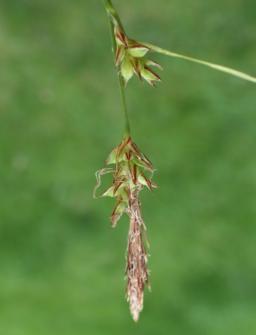
Pennsylvania sedge
(Carex pensylvanica)
Also Known As
Pennsylvania sedge, White sedge
About This Plant
Carex pensylvanica is a species of flowering plant in the family Cyperaceae, native to eastern North America. It forms dense tufts of narrow, arching leaves, and produces flowering stems up to 60 cm (24 inches) tall, bearing green or brown spikelets. It is a cool-season grass that is often used as a ground cover or for erosion control.
Plant Care Instructions
Outdoor Size Range
6-12 inches (15-30 cm) tall and 12-24 inches (30-60 cm) wide
Light Requirements
Pennsylvania sedge prefers partial to full shade, but can tolerate some sun. It is often used as a ground cover in woodland gardens and shady areas.
Humidity Needs
It prefers moderate to high humidity levels, but can tolerate some dryness.
Fertilizing Schedule
It does not require much fertilizer, but can benefit from a slow-release, balanced fertilizer in the spring.
Pruning Guidelines
Pennsylvania sedge does not require much pruning, but can be mowed or trimmed back in the late winter or early spring to encourage new growth.
Common Pests and Diseases
Pennsylvania sedge is relatively pest-free, but can be susceptible to rust and leaf spot diseases.
Indoor Size Range
Not typically grown indoors
Watering Schedule
It prefers moist, well-drained soil and should be watered regularly, especially during dry periods. However, it can tolerate some drought once established.
Temperature Range
Pennsylvania sedge is hardy in USDA zones 3-8 and can tolerate cold temperatures and frost.
Growing Season
Pennsylvania sedge is a cool-season grass that grows best in the spring and fall. It can tolerate some heat in the summer, but may go dormant in hot, dry conditions.
Growing Difficulty Level
Pennsylvania sedge is relatively easy to grow and maintain, making it a popular choice for ground cover and erosion control.
USDA Hardiness Zones
USDA hardiness zones 3-8
Did You Know?
Pennsylvania sedge is often used as a substitute for turf grass in low-traffic areas, as it requires less maintenance and water than traditional lawn grasses.
