Special Web Offer - Get 50% OFF!
Grab Your Deal Now
PlantSnap
Plant Care
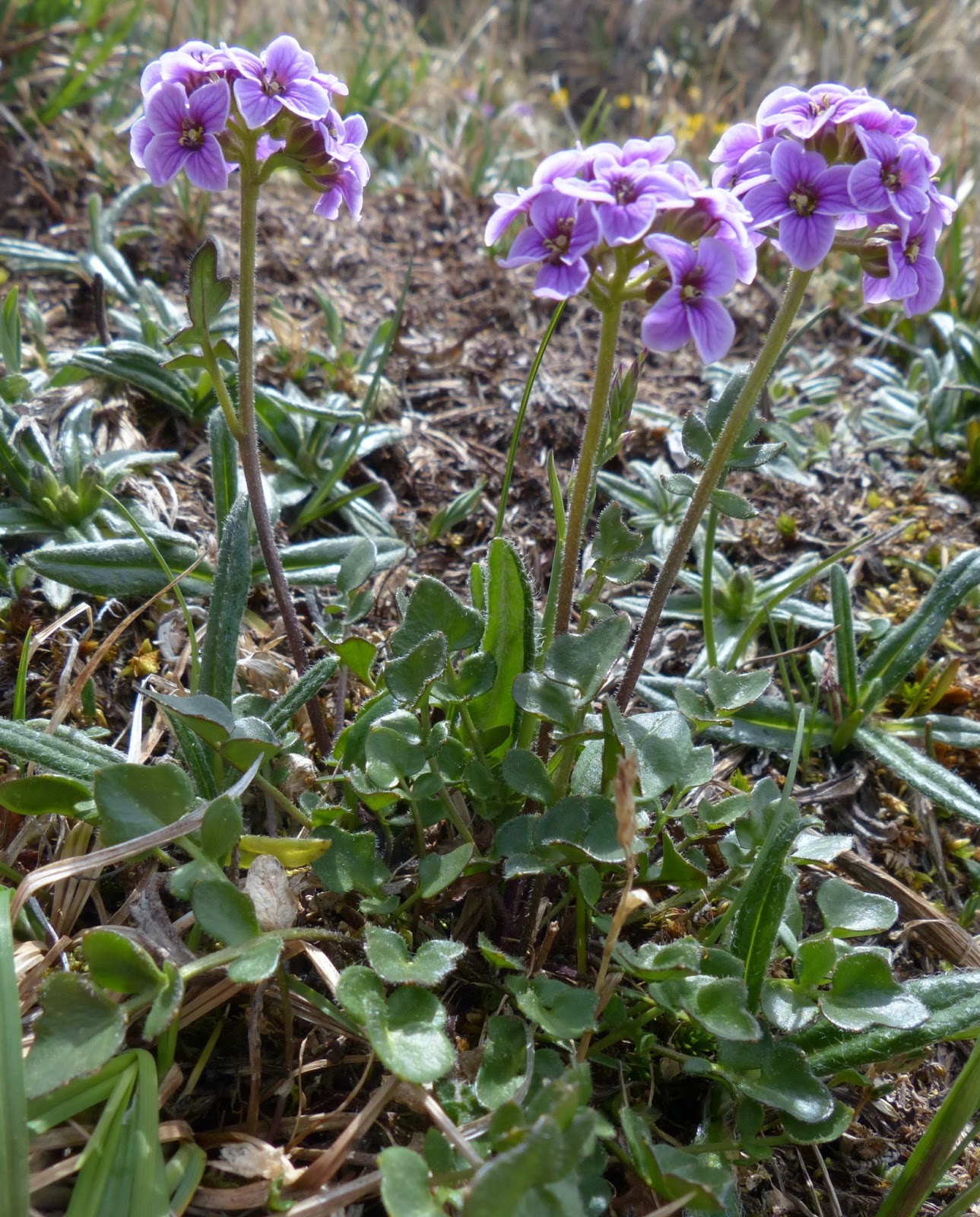
Purple bittercress
(Cardamine purpurea)
Also Known As
Purple bittercress, Purple cress, Purple toothwort, Spring cress
About This Plant
Cardamine purpurea is a species of flowering plant in the family Brassicaceae. It is a herbaceous perennial that grows up to 60 cm (23.6 inches) tall. The plant produces small, pink to purple flowers in clusters on long stems in the spring and summer.
Plant Care Instructions
Outdoor Size Range
12-24 inches (30.5-61 cm)
Light Requirements
Cardamine purpurea prefers partial shade to full sun. It can tolerate some shade, but too much shade can cause the plant to become leggy and flop over. Indoors, it should be placed near a window that receives bright, indirect light.
Humidity Needs
Cardamine purpurea prefers moderate to high humidity. It can tolerate lower humidity levels, but higher humidity levels will help keep the plant healthy and prevent it from drying out.
Fertilizing Schedule
The plant does not require frequent fertilization, but it can benefit from a balanced, all-purpose fertilizer once a month during the growing season. Be sure to follow the instructions on the fertilizer package carefully.
Pruning Guidelines
Cardamine purpurea does not require extensive pruning. However, it can benefit from deadheading to encourage more blooms. Cut off spent flowers at the base of the stem to promote new growth.
Common Pests and Diseases
Common pests for Cardamine purpurea include aphids, whiteflies, and spider mites. Diseases such as powdery mildew and downy mildew can also affect the plant.
Indoor Size Range
6-12 inches (15.2-30.5 cm)
Watering Schedule
The plant prefers consistently moist soil. Water it regularly, but be careful not to overwater. The soil should be moist but not waterlogged. Indoors, it should be watered when the top inch of soil feels dry to the touch.
Temperature Range
Cardamine purpurea prefers cool to moderate temperatures, between 50-75°F (10-24°C). It can tolerate higher temperatures, but too much heat can cause the plant to wilt and become stressed.
Growing Season
Cardamine purpurea typically blooms in the spring and summer.
Growing Difficulty Level
Cardamine purpurea is relatively easy to grow, making it a great choice for beginner gardeners.
USDA Hardiness Zones
Cardamine purpurea is hardy in USDA hardiness zones 4-8.
Did You Know?
Cardamine purpurea is also known as Purple Cress or Purple Toothwort.