Special Web Offer - Get 50% OFF!
Grab Your Deal Now
PlantSnap
Plant Care
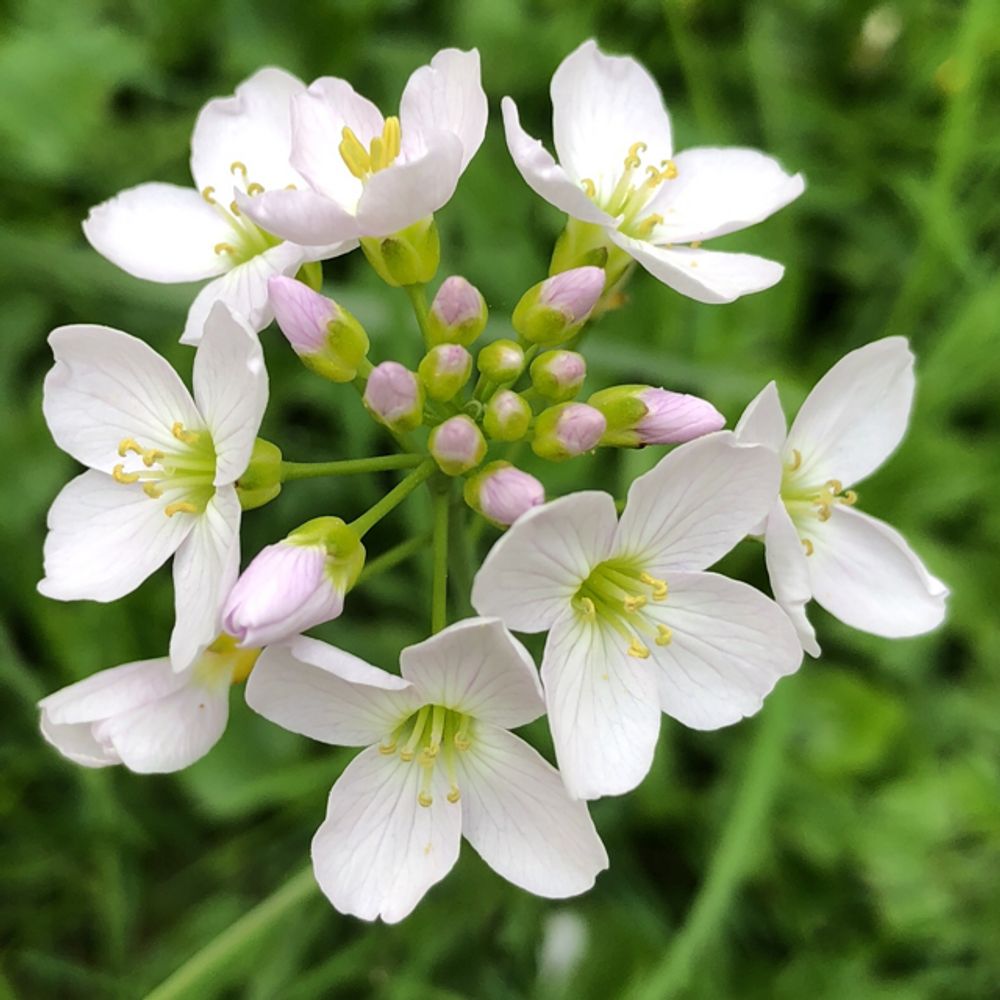
Cuckooflower
(Cardamine pratensis)
Also Known As
Cuckooflower, Cuckoo flower, Meadow cress, Milkmaid, Lady's smock
About This Plant
Cardamine pratensis is a flowering plant species that belongs to the family Brassicaceae. It is commonly known as Cuckooflower, Lady's Smock, Meadow Cress, or Milkmaids. The plant is native to Europe and Asia and is found in damp meadows, ditches, and other wet habitats. It has a slender stem that can grow up to 50 cm (20 inches) tall and produces clusters of pink, purple, or white flowers with four petals.
Plant Care Instructions
Outdoor Size Range
Height: 20-50 inches (50-125 cm), Spread: 12-18 inches (30-45 cm)
Light Requirements
Cardamine pratensis prefers partial shade to full sun. It can tolerate full shade, but the flowers may not bloom as well.
Humidity Needs
The plant prefers a humid environment and will benefit from occasional misting.
Fertilizing Schedule
The plant does not require fertilizer, but it will benefit from a light application of a balanced fertilizer in the spring.
Pruning Guidelines
The plant does not require pruning, but deadheading spent flowers will encourage new growth and prolong the blooming period.
Common Pests and Diseases
Cardamine pratensis is relatively pest-free, but it may be susceptible to aphids, slugs, and snails.
Indoor Size Range
Not suitable for indoor cultivation
Watering Schedule
The plant requires consistently moist soil, but it should not be waterlogged. It is important to avoid letting the soil dry out.
Temperature Range
Cardamine pratensis can tolerate a wide range of temperatures, from -40°C (-40°F) to 30°C (86°F). However, it prefers cool temperatures and will not do well in hot, dry climates.
Growing Season
The plant blooms from April to June in the Northern Hemisphere.
Growing Difficulty Level
Cardamine pratensis is easy to grow and is suitable for novice gardeners.
USDA Hardiness Zones
Cardamine pratensis is hardy in USDA zones 4-8.
Did You Know?
Cardamine pratensis is the food plant of the orange tip butterfly, and the flowers are also visited by bees and other pollinators.
