Special Web Offer - Get 50% OFF!
Grab Your Deal Now
PlantSnap
Plant Care
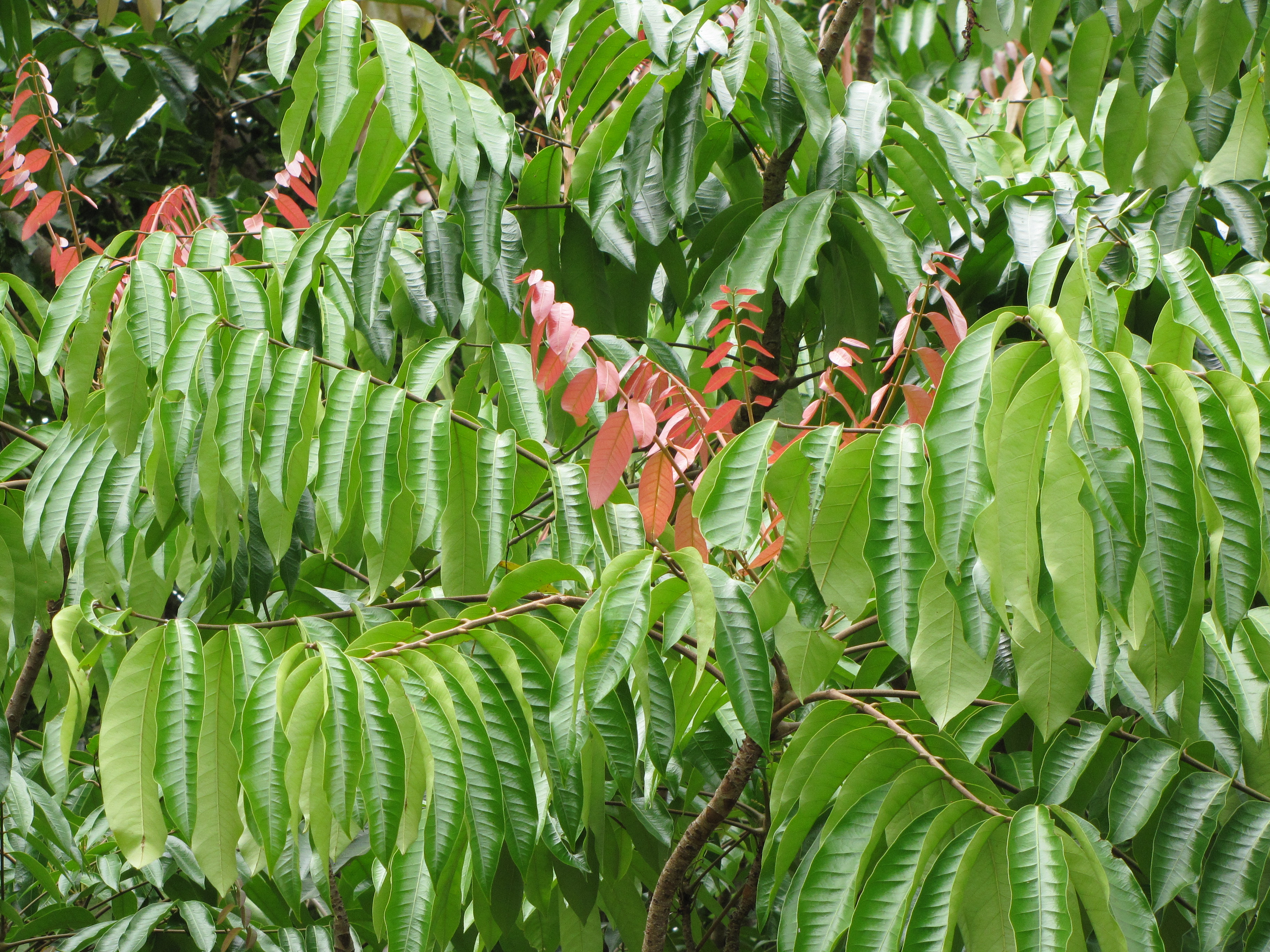
Andiroba
(Carapa guianensis)
Also Known As
Andiroba, Crabwood, Guanandi
About This Plant
Carapa guianensis is a tropical tree species in the family Meliaceae, native to the Amazon Rainforest. It is commonly known as Andiroba or Crabwood tree. It can grow up to 40 meters tall and has a straight trunk with a diameter of up to 1.5 meters. The tree has large, compound leaves and produces small, white flowers that develop into large, woody capsules containing up to 70 seeds.
Plant Care Instructions
Outdoor Size Range
Height: 20-40 meters (65-130 feet), Width: 8-10 meters (26-33 feet)
Light Requirements
Andiroba tree prefers full sun to partial shade. It can tolerate shade, but growth may be slower.
Humidity Needs
Andiroba tree prefers high humidity levels, around 80-90%. It can tolerate lower humidity levels but may require more frequent watering.
Fertilizing Schedule
The tree does not require much fertilizer. A balanced fertilizer can be applied once a year during the growing season.
Pruning Guidelines
Pruning is not necessary, but it can be done to shape the tree or remove dead or damaged branches.
Common Pests and Diseases
Andiroba tree is relatively pest-resistant. However, it can be attacked by borers, scale insects, and mealybugs.
Indoor Size Range
Not suitable for indoor cultivation
Watering Schedule
The tree requires regular watering, especially during the first few years of growth. Once established, it can tolerate short periods of drought.
Temperature Range
The tree prefers warm temperatures between 20-30°C (68-86°F). It can tolerate lower temperatures but may experience leaf drop.
Growing Season
Andiroba tree can be grown year-round in tropical climates. In temperate climates, it can be grown as an indoor plant or in a greenhouse.
Growing Difficulty Level
Andiroba tree is relatively easy to grow, but it requires a lot of space and is not suitable for small gardens.
USDA Hardiness Zones
Andiroba tree is not frost-tolerant and can only be grown in USDA hardiness zones 10-12.
Did You Know?
Andiroba tree is highly valued for its medicinal properties. Its oil is used in traditional medicine to treat various ailments, including inflammation, pain, and skin conditions.
