Special Web Offer - Get 50% OFF!
Grab Your Deal Now
PlantSnap
Plant Care
Water canna
(Canna glauca)
Also Known As
Water canna, Golden canna, Yellow canna
About This Plant
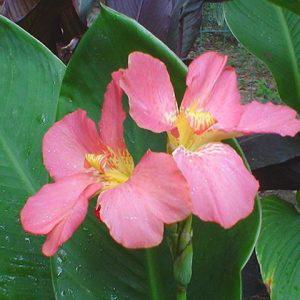
Canna glauca is a species of flowering plant in the family Cannaceae, native to South America. It is a herbaceous perennial plant that grows up to 2.5 meters tall. The leaves are large, up to 60 cm long and 30 cm broad, and are glaucous green in color. The flowers are yellow, with three petals and three sepals, and are produced in large racemes up to 50 cm long.
Plant Care Instructions
Outdoor Size Range
60-96 inches (152-244 cm)
Light Requirements
Canna glauca prefers full sun to partial shade. It requires at least 6 hours of direct sunlight per day.
Humidity Needs
Canna glauca prefers moderate to high humidity levels. Mist the leaves regularly if the air is dry.
Fertilizing Schedule
Fertilize the plant every 4-6 weeks during the growing season with a balanced fertilizer. Use a fertilizer high in potassium to encourage flowering.
Pruning Guidelines
Remove dead or damaged leaves as needed. Cut back the entire plant to the ground after the first frost in the fall.
Common Pests and Diseases
Canna glauca is susceptible to spider mites, thrips, and aphids. It may also be affected by fungal diseases such as leaf spot and rust.
Indoor Size Range
36-48 inches (91-122 cm)
Watering Schedule
Water the plant deeply once a week during the growing season. Reduce watering during the winter months.
Temperature Range
Canna glauca prefers warm temperatures between 65-85°F (18-29°C). It can tolerate temperatures as low as 50°F (10°C) but may suffer frost damage.
Growing Season
Canna glauca grows best in the spring and summer months. It may go dormant in the winter in colder climates.
Growing Difficulty Level
Canna glauca is moderately easy to grow. It requires regular watering and fertilizing, but is generally resistant to pests and diseases.
USDA Hardiness Zones
Canna glauca is hardy in USDA zones 8-11.
Did You Know?
Canna glauca is also known as the 'water canna' because it can grow in wet or marshy areas.
