Special Web Offer - Get 50% OFF!
Grab Your Deal Now
PlantSnap
Plant Care
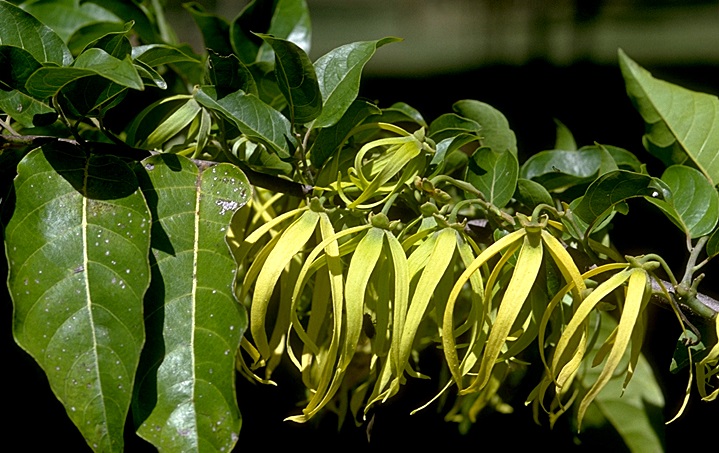
Ylang-ylang
(Cananga odorata)
Also Known As
Ylang-ylang, Cananga, Perfume tree
About This Plant
Cananga odorata is a tropical tree that is native to Southeast Asia and is known for its fragrant flowers. It is commonly called the Ylang-Ylang tree, which means 'flower of flowers'. The tree can grow up to 20 meters tall and has large, leathery leaves.
Plant Care Instructions
Outdoor Size Range
20 - 40 feet (6 - 12 meters)
Light Requirements
Ylang-Ylang trees prefer full sun to partial shade.
Humidity Needs
The tree prefers high humidity levels, ideally between 60-70%. It can benefit from occasional misting.
Fertilizing Schedule
Fertilize the tree with a balanced fertilizer every 2-3 months during the growing season.
Pruning Guidelines
Prune the tree regularly to maintain its shape and promote healthy growth. Remove any dead or diseased branches.
Common Pests and Diseases
Common pests include spider mites, mealybugs, and scale insects.
Indoor Size Range
Not suitable for indoor growth
Watering Schedule
The tree requires regular watering, but it should not be over-watered. The soil should be kept moist, but not waterlogged.
Temperature Range
Ylang-Ylang trees require warm temperatures, ideally between 65-85°F (18-29°C). They cannot tolerate frost.
Growing Season
Ylang-Ylang trees can grow year-round in tropical climates.
Growing Difficulty Level
Moderate
USDA Hardiness Zones
10-12
Did You Know?
The essential oil extracted from the flowers of the Ylang-Ylang tree is used in perfumes and aromatherapy. It is believed to have a calming effect on the mind and body.