Special Web Offer - Get 50% OFF!
Grab Your Deal Now
PlantSnap
Plant Care
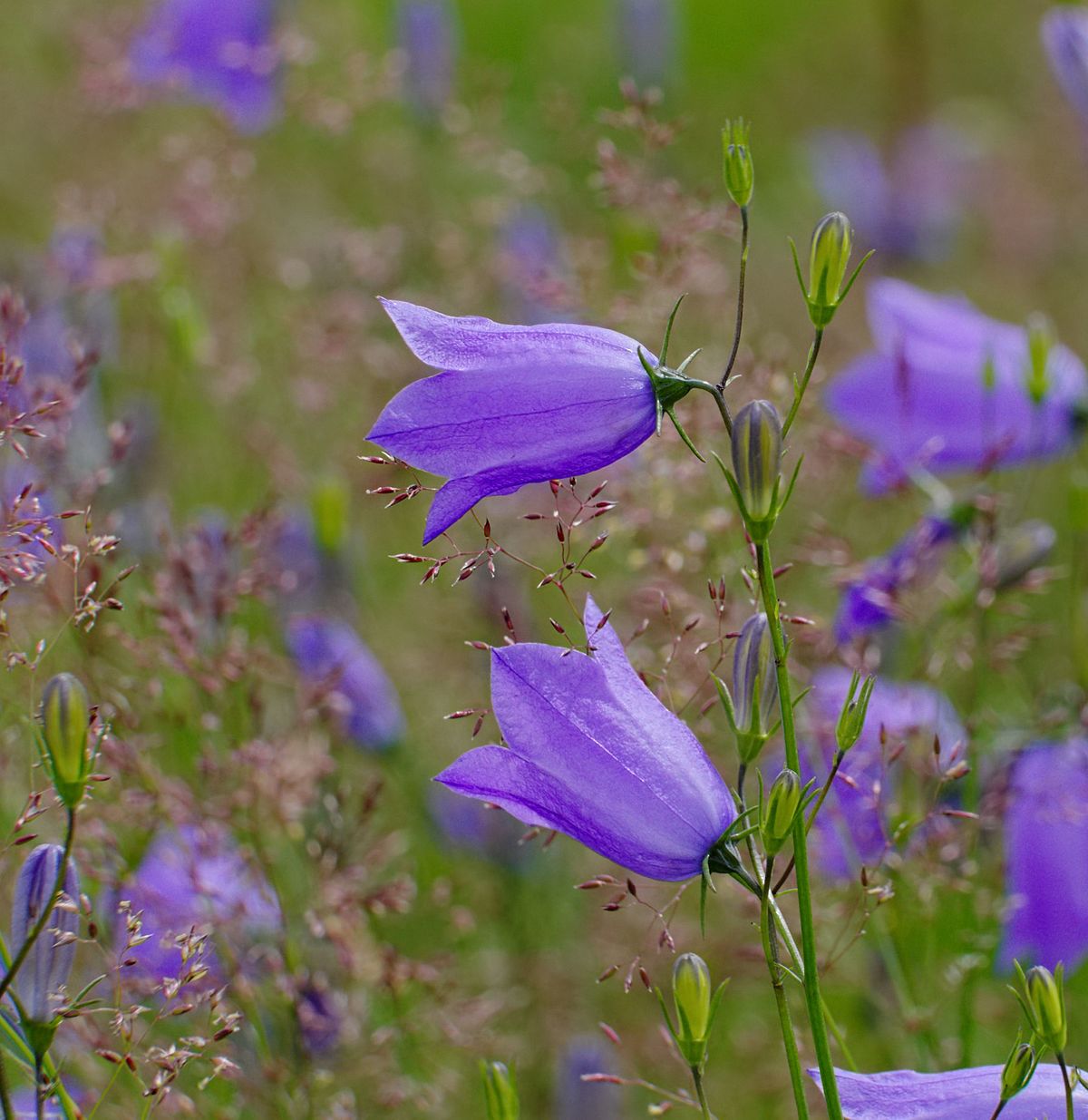
Mountain harebell
(Campanula intercedens)
Also Known As
Mountain harebell, Tomentose bellflower, Creeping bellflower
About This Plant
Campanula intercedens is a species of flowering plant in the Campanulaceae family. It is a herbaceous perennial that produces delicate, bell-shaped flowers in shades of blue and purple. The plant is native to Japan and is commonly cultivated as an ornamental plant.
Plant Care Instructions
Outdoor Size Range
12-24 inches (30-60 cm)
Light Requirements
Campanula intercedens prefers bright, indirect light. It can tolerate some direct sunlight, but too much can damage the leaves and flowers.
Humidity Needs
The plant prefers moderate to high humidity levels, around 50-60%. It can benefit from occasional misting.
Fertilizing Schedule
Fertilize every 2-3 weeks during the growing season with a balanced fertilizer. Reduce fertilization during the winter months.
Pruning Guidelines
Deadhead spent flowers to encourage continued blooming. Cut back the entire plant by one-third after flowering to promote bushier growth.
Common Pests and Diseases
Common pests include aphids, spider mites, and whiteflies. Diseases such as powdery mildew and root rot can also occur.
Indoor Size Range
6-12 inches (15-30 cm)
Watering Schedule
The plant prefers consistently moist soil, but not waterlogged. Water when the top inch of soil feels dry to the touch.
Temperature Range
Campanula intercedens prefers cool temperatures between 50-70°F (10-21°C). It can tolerate slightly warmer temperatures but may not flower as well.
Growing Season
The plant blooms from late spring to mid-summer.
Growing Difficulty Level
Campanula intercedens is moderately easy to grow. It requires consistent moisture and moderate to high humidity levels, but otherwise is not very demanding.
USDA Hardiness Zones
Campanula intercedens is hardy in USDA zones 5-8.
Did You Know?
The name Campanula comes from the Latin word 'campana', meaning bell, referring to the shape of the plant's flowers.