Special Web Offer - Get 50% OFF!
Grab Your Deal Now
PlantSnap
Plant Care
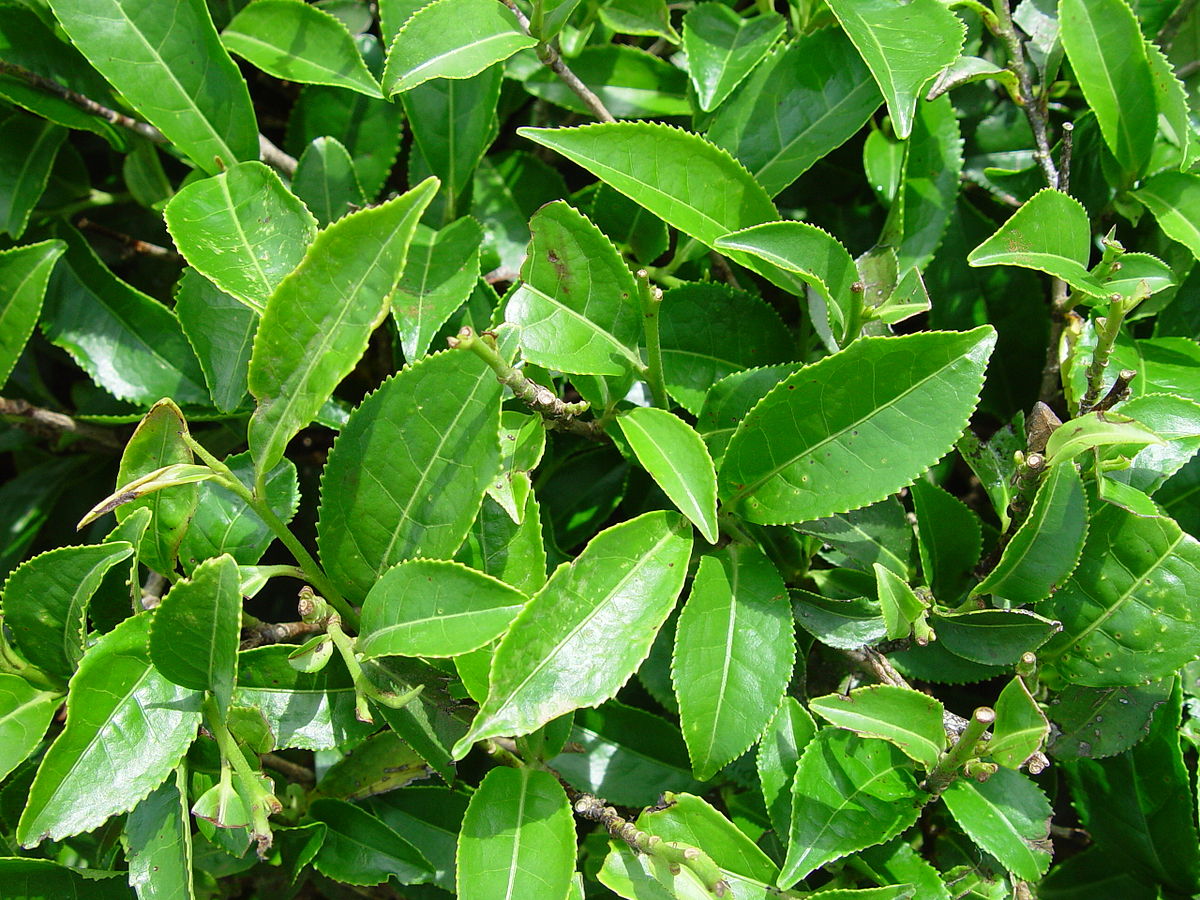
Tea plant
(Camellia sinensis sinensis)
Also Known As
Tea plant, Chinese tea, Tea shrub
About This Plant
Camellia sinensis sinensis is a species of evergreen shrub that is native to China and is widely cultivated for its leaves, which are used to produce tea. This plant species is known for its small white flowers and glossy green leaves.
Plant Care Instructions
Outdoor Size Range
6-15 feet (1.8-4.6 m)
Light Requirements
Camellia sinensis sinensis requires partial shade to full sun. It is best to avoid direct afternoon sun.
Humidity Needs
The tea plant prefers moderate to high humidity levels, around 50-70%. Use a humidifier or mist the leaves regularly to maintain the required humidity levels.
Fertilizing Schedule
Fertilize the tea plant every two weeks during the growing season with a balanced, water-soluble fertilizer. Reduce fertilization during the dormant season.
Pruning Guidelines
Prune the tea plant in early spring to remove any dead or damaged wood. Pinch back the tips of the branches to encourage bushier growth.
Common Pests and Diseases
Common pests of the tea plant include aphids, scale insects, and spider mites. Diseases such as root rot and gray mold can also occur.
Indoor Size Range
36-60 inches (91-152 cm)
Watering Schedule
The tea plant requires consistent moisture, but not waterlogged soil. Water the plant when the top inch of soil is dry.
Temperature Range
Camellia sinensis sinensis prefers a cool to mild climate, with temperatures ranging from 65-85°F (18-29°C). It can tolerate light frost, but not extreme heat.
Growing Season
The growing season for the tea plant is from early spring to late fall.
Growing Difficulty Level
Camellia sinensis sinensis can be moderately difficult to grow due to its specific environmental requirements. However, with proper care and attention, it can thrive.
USDA Hardiness Zones
Camellia sinensis sinensis is hardy in USDA zones 7-9.
Did You Know?
The tea plant is the only plant species that is used to produce all types of tea, including black, green, white, and oolong tea.
