Special Web Offer - Get 50% OFF!
Grab Your Deal Now
PlantSnap
Plant Care
Japanese camellia
(Camellia japonica rusticana)
Also Known As
Japanese camellia, Rustic camellia
About This Plant
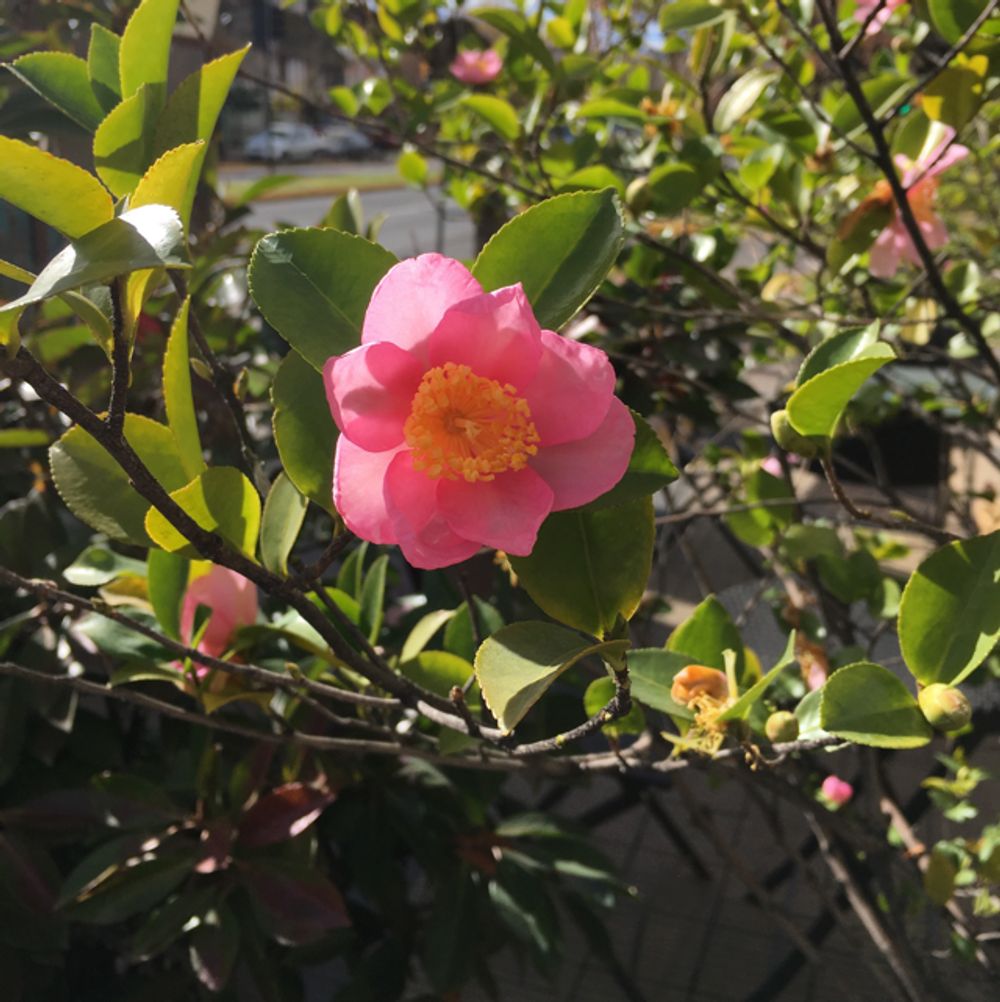
Camellia japonica rusticana is a flowering evergreen shrub with glossy, dark green leaves and large, showy, red-pink flowers with yellow stamens. It is a cultivar of the Camellia japonica species that is native to Japan and is widely cultivated as an ornamental plant worldwide.
Plant Care Instructions
Outdoor Size Range
6-12 feet (1.8-3.7 m)
Light Requirements
Camellia japonica rusticana prefers partial shade to filtered sunlight. Direct sunlight can scorch the leaves and flowers.
Humidity Needs
Camellia japonica rusticana prefers high humidity levels. Use a humidifier or place a tray of water near the plant to increase humidity.
Fertilizing Schedule
Fertilize every 4-6 weeks during the growing season (spring to fall) with a balanced, slow-release fertilizer. Do not fertilize during the winter months.
Pruning Guidelines
Prune after flowering to maintain the desired shape and size. Remove any dead or diseased wood and thin out crowded branches.
Common Pests and Diseases
Common pests include aphids, spider mites, and scale insects. Diseases include root rot and leaf spot.
Indoor Size Range
36-72 inches (91-183 cm)
Watering Schedule
Water regularly to keep the soil moist, but not waterlogged. Allow the top inch of soil to dry out before watering again.
Temperature Range
Camellia japonica rusticana prefers cool to moderate temperatures between 60-70°F (15-21°C).
Growing Season
Camellia japonica rusticana grows best in the spring and fall when temperatures are cool and humidity is high.
Growing Difficulty Level
Camellia japonica rusticana is moderately difficult to grow. It requires specific growing conditions and can be susceptible to pests and diseases.
USDA Hardiness Zones
Camellia japonica rusticana is hardy in USDA zones 7-9.
Did You Know?
The leaves of the Camellia japonica rusticana plant are used to make tea in some cultures. The tea is known for its high levels of antioxidants and is said to have numerous health benefits.
