Special Web Offer - Get 50% OFF!
Grab Your Deal Now
PlantSnap
Plant Care
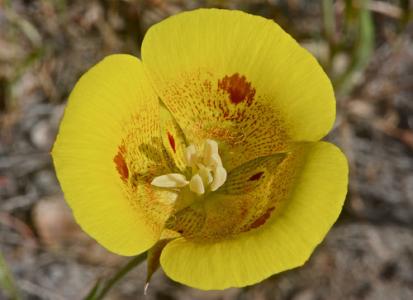
Yellow mariposa lily
(Calochortus luteus)
Also Known As
Yellow mariposa lily, Golden star tulip
About This Plant
Calochortus luteus is a species of flowering plant in the lily family. It is native to California and Oregon, where it grows in grasslands, meadows, and open woodlands. The plant produces bright yellow flowers with six petals that are streaked with reddish-brown or purple markings. The flowers bloom in spring and early summer, and are pollinated by bees and other insects.
Plant Care Instructions
Outdoor Size Range
Height: 6-18 inches (15-45 cm), Spread: 6-12 inches (15-30 cm)
Light Requirements
Calochortus luteus prefers full sun to partial shade. It can tolerate some shade, but too much shade can cause the plant to grow weak and leggy.
Humidity Needs
Calochortus luteus prefers low to moderate humidity levels. High humidity can cause the plant to develop fungal diseases.
Fertilizing Schedule
The plant does not require fertilizer, but can benefit from a light application of a balanced fertilizer in early spring.
Pruning Guidelines
The plant does not require pruning, but deadheading spent flowers can encourage the plant to produce more blooms.
Common Pests and Diseases
Calochortus luteus is relatively pest-free, but can be susceptible to fungal diseases if grown in humid conditions.
Indoor Size Range
Not suitable for indoor cultivation
Watering Schedule
The plant requires moderate watering during its growing season. It prefers well-draining soil that is kept moist but not waterlogged. During the dormant season, the plant requires very little watering.
Temperature Range
The plant prefers cool to moderate temperatures, with a range of 50-75°F (10-24°C). It can tolerate some frost, but prolonged exposure to freezing temperatures can damage the plant.
Growing Season
Spring and early summer
Growing Difficulty Level
Calochortus luteus is moderately difficult to grow. It requires well-draining soil, moderate watering, and cool to moderate temperatures.
USDA Hardiness Zones
USDA hardiness zones 7-10
Did You Know?
The bulbs of Calochortus luteus were traditionally used by Native American tribes as a food source, and were roasted or boiled to make a sweet, starchy dish.