Special Web Offer - Get 50% OFF!
Grab Your Deal Now
PlantSnap
Plant Care
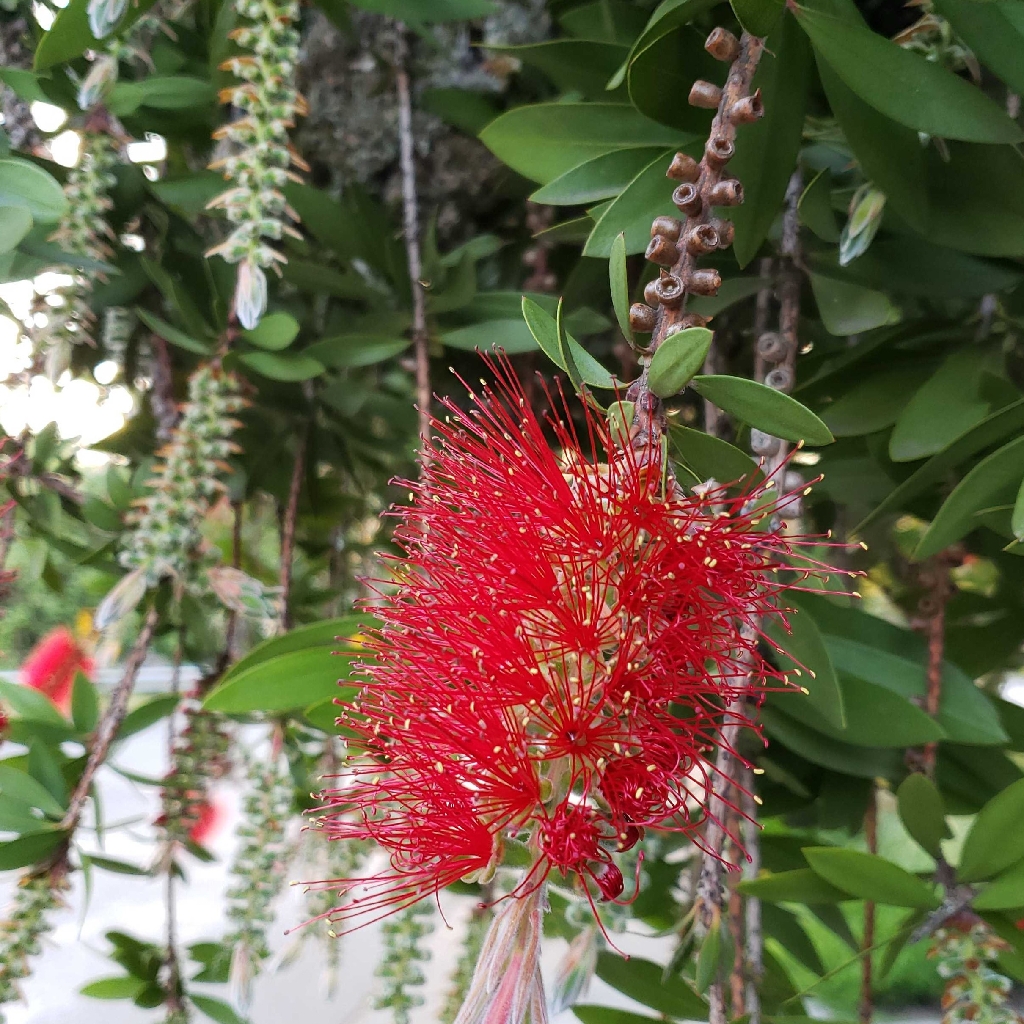
Weeping bottlebrush
(Callistemon viminalis)
Also Known As
Weeping bottlebrush, Green bottlebrush, Bottlebrush tree
About This Plant
Callistemon viminalis, also known as Weeping Bottlebrush, is a species of flowering plant in the family Myrtaceae. It is an evergreen shrub or small tree that can grow up to 20 feet (6 meters) tall and 10 feet (3 meters) wide. The leaves are narrow and lance-shaped, and the flowers are bright red and bottlebrush-shaped.
Plant Care Instructions
Outdoor Size Range
Up to 20 feet (6 meters) tall and 10 feet (3 meters) wide
Light Requirements
Callistemon viminalis requires full sun to partial shade. It can tolerate some shade, but the flowering may be reduced.
Humidity Needs
It can tolerate a wide range of humidity levels, but it prefers moderate humidity.
Fertilizing Schedule
It does not require much fertilizer, but it can benefit from a balanced fertilizer once a year in the spring.
Pruning Guidelines
It can be pruned to maintain its shape and size. Prune after flowering to encourage new growth and flowering.
Common Pests and Diseases
The most common pests for Callistemon viminalis are scale insects and spider mites. It may also suffer from root rot if overwatered.
Indoor Size Range
Not suitable for indoor growth
Watering Schedule
It prefers well-draining soil and regular watering, especially during the growing season. However, it can tolerate some drought once established.
Temperature Range
It can tolerate a wide range of temperatures, but it prefers warm temperatures between 60-90°F (15-32°C). It can tolerate some frost but may suffer damage if the temperature drops below 20°F (-6°C).
Growing Season
The growing season for Callistemon viminalis is from spring to fall.
Growing Difficulty Level
Callistemon viminalis is relatively easy to grow as long as it is provided with the right growing conditions.
USDA Hardiness Zones
It is hardy in USDA zones 9-11.
Did You Know?
The nectar from Callistemon viminalis flowers is a favorite food of the endangered Carnaby's black cockatoo in Western Australia.
