Special Web Offer - Get 50% OFF!
Grab Your Deal Now
PlantSnap
Plant Care
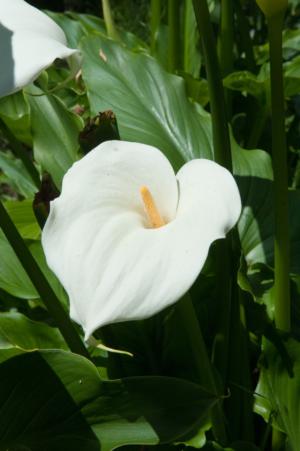
Calla lily
(Zantedeschia Spreng)
Also Known As
Calla lily, Arum lily, Donald duck plant
About This Plant
Zantedeschia Spreng is a flowering plant species native to southern Africa. It is commonly known as Calla Lily due to its distinctive funnel-shaped flowers and bright green foliage. The plant has a rhizomatous growth habit and produces showy flowers that come in a range of colors, including white, pink, yellow, and red.
Plant Care Instructions
Outdoor Size Range
18-48 inches (46-122 cm)
Light Requirements
Calla Lilies prefer bright, indirect light. They can tolerate some direct sunlight, but too much can scorch their leaves.
Humidity Needs
Calla Lilies prefer moderate to high humidity levels. You can increase humidity by placing a tray of water near the plant or using a humidifier.
Fertilizing Schedule
Feed Calla Lilies every 2-3 weeks during the growing season with a balanced, water-soluble fertilizer. Avoid fertilizing during the dormant season.
Pruning Guidelines
Remove spent flowers and yellowing leaves as needed. Cut back the entire plant to the soil level after it has finished blooming.
Common Pests and Diseases
Common pests for Calla Lilies include spider mites, aphids, and mealybugs. Diseases that may affect the plant include root rot and bacterial soft rot.
Indoor Size Range
12-36 inches (30-91 cm)
Watering Schedule
Keep the soil evenly moist, but not waterlogged. Allow the top inch of soil to dry out before watering again.
Temperature Range
Calla Lilies prefer temperatures between 60-75°F (15-24°C). They can tolerate slightly cooler temperatures, but avoid exposing them to temperatures below 50°F (10°C).
Growing Season
Calla Lilies grow best during the spring and summer months.
Growing Difficulty Level
Calla Lilies are moderately easy to grow, but they require specific growing conditions to thrive.
USDA Hardiness Zones
Calla Lilies are hardy in USDA zones 8-10.
Did You Know?
Despite its name, the Calla Lily is not actually a true lily. It is instead a member of the Araceae family, which also includes other popular houseplants like the Peace Lily and Philodendron.
