Special Web Offer - Get 50% OFF!
Grab Your Deal Now
PlantSnap
Plant Care
Pot marigold
(Calendula calendula)
Also Known As
Pot marigold, English marigold, Flower of the sun, Marybud
About This Plant
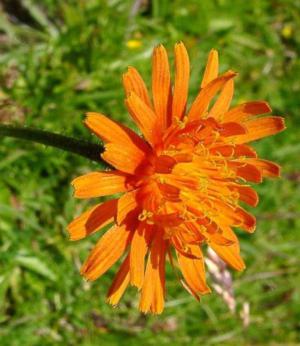
Calendula calendula is a species of flowering plant in the daisy family, Asteraceae. It is native to the Mediterranean region but has been widely introduced elsewhere. The plant has bright yellow to deep orange flowers with a diameter of 4-7.5 cm.
Plant Care Instructions
Outdoor Size Range
12-24 inches (30-60 cm)
Light Requirements
Calendula plants require full sun to partial shade. They can tolerate some shade but will not bloom as profusely.
Humidity Needs
Calendula plants do not have specific humidity requirements and can tolerate a wide range of humidity levels.
Fertilizing Schedule
Calendula plants do not require heavy fertilization. A balanced fertilizer can be applied every 2-3 weeks during the growing season.
Pruning Guidelines
Deadheading spent flowers can encourage the plant to produce more blooms. The plant can also be pruned to maintain its shape.
Common Pests and Diseases
Common pests that can affect Calendula plants include aphids, spider mites, and whiteflies. Diseases such as powdery mildew and leaf spot can also occur.
Indoor Size Range
8-12 inches (20-30 cm)
Watering Schedule
Calendula plants prefer well-drained soil and moderate watering. Overwatering can lead to root rot, while underwatering can cause the plant to wilt.
Temperature Range
Calendula plants prefer cool temperatures and can tolerate frost. They can grow in temperatures ranging from 40-75 °F (4-24 °C).
Growing Season
Calendula plants can be grown year-round in mild climates but are typically grown as annuals in colder climates.
Growing Difficulty Level
Calendula plants are easy to grow and are suitable for beginners.
USDA Hardiness Zones
Calendula plants are hardy in USDA zones 2-11.
Did You Know?
Calendula flowers have been used for medicinal purposes for centuries. They contain compounds that have anti-inflammatory and antiseptic properties.
