Special Web Offer - Get 50% OFF!
Grab Your Deal Now
PlantSnap
Plant Care
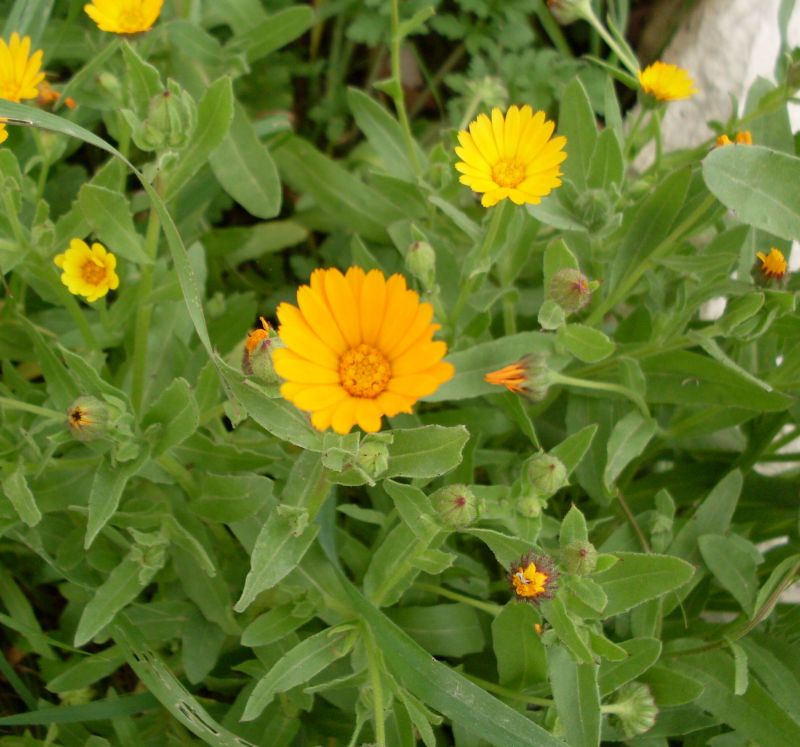
Field marigold
(Calendula arvensis)
Also Known As
Field marigold, Common marigold
About This Plant
Calendula arvensis is an annual flowering plant species that belongs to the family Asteraceae. It is native to Europe, North Africa, and Western Asia. The plant has a hairy stem and leaves, and produces bright yellow or orange flowers with a diameter of 3-4 cm.
Plant Care Instructions
Outdoor Size Range
Height: 12-24 inches (30-60 cm), Spread: 6-12 inches (15-30 cm)
Light Requirements
Calendula arvensis requires full sun to partial shade. It can tolerate some shade, but the plant may produce fewer flowers.
Humidity Needs
The plant can tolerate a wide range of humidity levels, but it prefers moderate to low humidity.
Fertilizing Schedule
The plant does not require much fertilizer, but you can feed it with a balanced fertilizer once a month during the growing season.
Pruning Guidelines
Deadheading spent flowers can encourage the plant to produce more blooms. You can also pinch back the stems to promote bushier growth.
Common Pests and Diseases
Common pests that may affect Calendula arvensis include aphids, spider mites, and whiteflies. The plant may also be susceptible to powdery mildew.
Indoor Size Range
Not suitable for indoor growing.
Watering Schedule
The plant prefers well-draining soil and does not like to be overwatered. Water the plant when the top inch of soil feels dry to the touch.
Temperature Range
Calendula arvensis prefers cool to moderate temperatures, between 50-70°F (10-21°C). It can tolerate some frost, but it may not survive in extremely cold temperatures.
Growing Season
The growing season for Calendula arvensis is from spring to fall.
Growing Difficulty Level
Calendula arvensis is an easy plant to grow and care for. It is suitable for beginner gardeners.
USDA Hardiness Zones
Calendula arvensis is hardy in USDA zones 7-10.
Did You Know?
Calendula arvensis has been traditionally used for medicinal purposes, such as treating skin irritations and reducing inflammation.
