Special Web Offer - Get 50% OFF!
Grab Your Deal Now
PlantSnap
Plant Care
Common box
(Buxus sempervirens)
Also Known As
Common box, Boxwood, European box
About This Plant
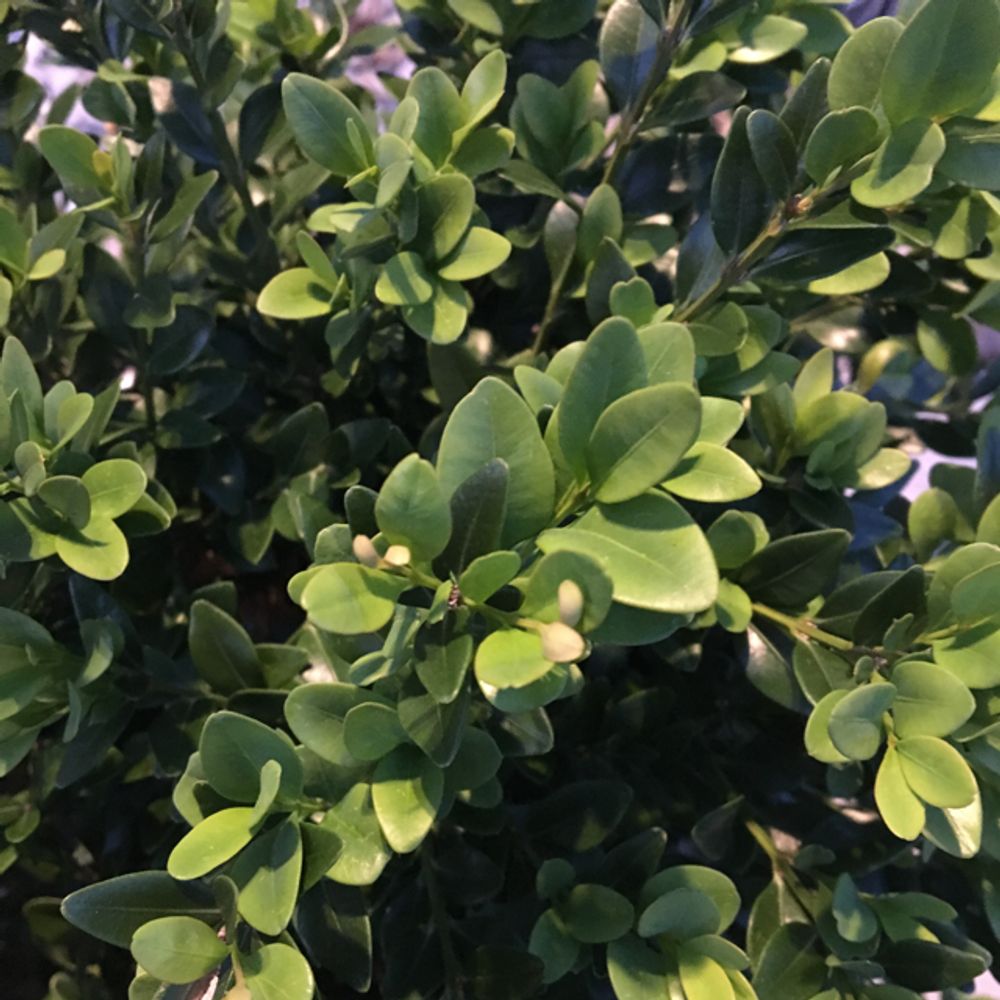
Buxus sempervirens is a slow-growing evergreen shrub with small, glossy, dark green leaves. It is commonly used for hedging and topiary due to its dense growth habit and ability to be easily shaped.
Plant Care Instructions
Outdoor Size Range
3-20 feet (0.9-6.1 meters)
Light Requirements
Buxus sempervirens prefers partial to full shade, but can tolerate some sun.
Humidity Needs
It prefers moderate humidity levels, but can tolerate low humidity.
Fertilizing Schedule
Fertilize in early spring with a slow-release fertilizer formulated for acid-loving plants.
Pruning Guidelines
Prune in late winter or early spring before new growth appears. Can be pruned to maintain a desired shape or size.
Common Pests and Diseases
Common pests include boxwood leafminer, boxwood mite, and boxwood psyllid. Diseases include boxwood blight, root rot, and leaf spot.
Indoor Size Range
12-36 inches (30-91 cm)
Watering Schedule
It requires moderate watering, and soil should be kept evenly moist but not waterlogged.
Temperature Range
It is hardy in USDA zones 5-8 and can tolerate temperatures as low as -15°F (-26°C).
Growing Season
Late spring to early fall
Growing Difficulty Level
Moderate
USDA Hardiness Zones
5-8
Did You Know?
Buxus sempervirens has been used for centuries for topiary and hedging due to its dense growth habit and ability to be easily shaped. It was also believed to have medicinal properties and was used to treat a variety of ailments in ancient times.
