Special Web Offer - Get 50% OFF!
Grab Your Deal Now
PlantSnap
Plant Care
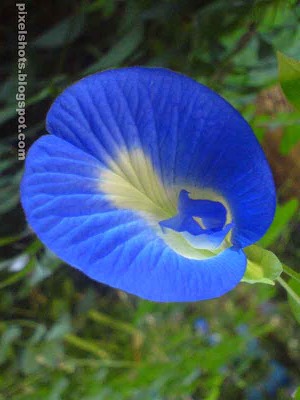
Butterfly pea
(Ternatea Mill)
Also Known As
Butterfly pea, Asian pigeonwings, Blue pea, Bell flower
About This Plant
Ternatea Mill is a tropical flowering plant species that belongs to the Fabaceae family. It is a perennial plant that has a woody base and can grow up to 3 meters tall. The leaves of the plant are green and oval-shaped, and the flowers are bright blue. The plant is known for its medicinal properties and is used in traditional medicine to treat various ailments.
Plant Care Instructions
Outdoor Size Range
6-10 feet (1.8-3 meters)
Light Requirements
The Butterfly Pea plant requires full sun to partial shade. It is best to keep it in a location that receives at least 6 hours of direct sunlight per day.
Humidity Needs
The plant prefers high humidity levels. It can benefit from regular misting or placing a tray of water near the plant to increase humidity levels.
Fertilizing Schedule
The plant can benefit from regular fertilization during the growing season. Use a balanced fertilizer every 2-3 weeks.
Pruning Guidelines
Prune the Butterfly Pea plant regularly to promote bushier growth and remove any dead or damaged branches. Pinch back the tips of the plant to encourage branching.
Common Pests and Diseases
The plant is susceptible to spider mites, aphids, and whiteflies. Regularly inspect the plant for signs of infestation and treat with insecticidal soap if necessary.
Indoor Size Range
12-24 inches (30-60 cm)
Watering Schedule
The plant requires moderate watering. It is important to keep the soil moist but not waterlogged. Water the plant when the top inch of soil feels dry to the touch.
Temperature Range
The plant prefers warm temperatures between 70-90°F (21-32°C). It is important to protect the plant from frost and cold temperatures.
Growing Season
The plant can be grown year-round in tropical climates. In cooler climates, it can be grown as an annual plant during the summer months.
Growing Difficulty Level
The Butterfly Pea plant is relatively easy to grow and maintain.
USDA Hardiness Zones
USDA hardiness zones 9-11
Did You Know?
The Butterfly Pea plant is also known as the 'Blue Pea' or 'Asian Pigeonwings' and is commonly used as a natural food coloring agent in Southeast Asian cuisine.
