Special Web Offer - Get 50% OFF!
Grab Your Deal Now
PlantSnap
Plant Care
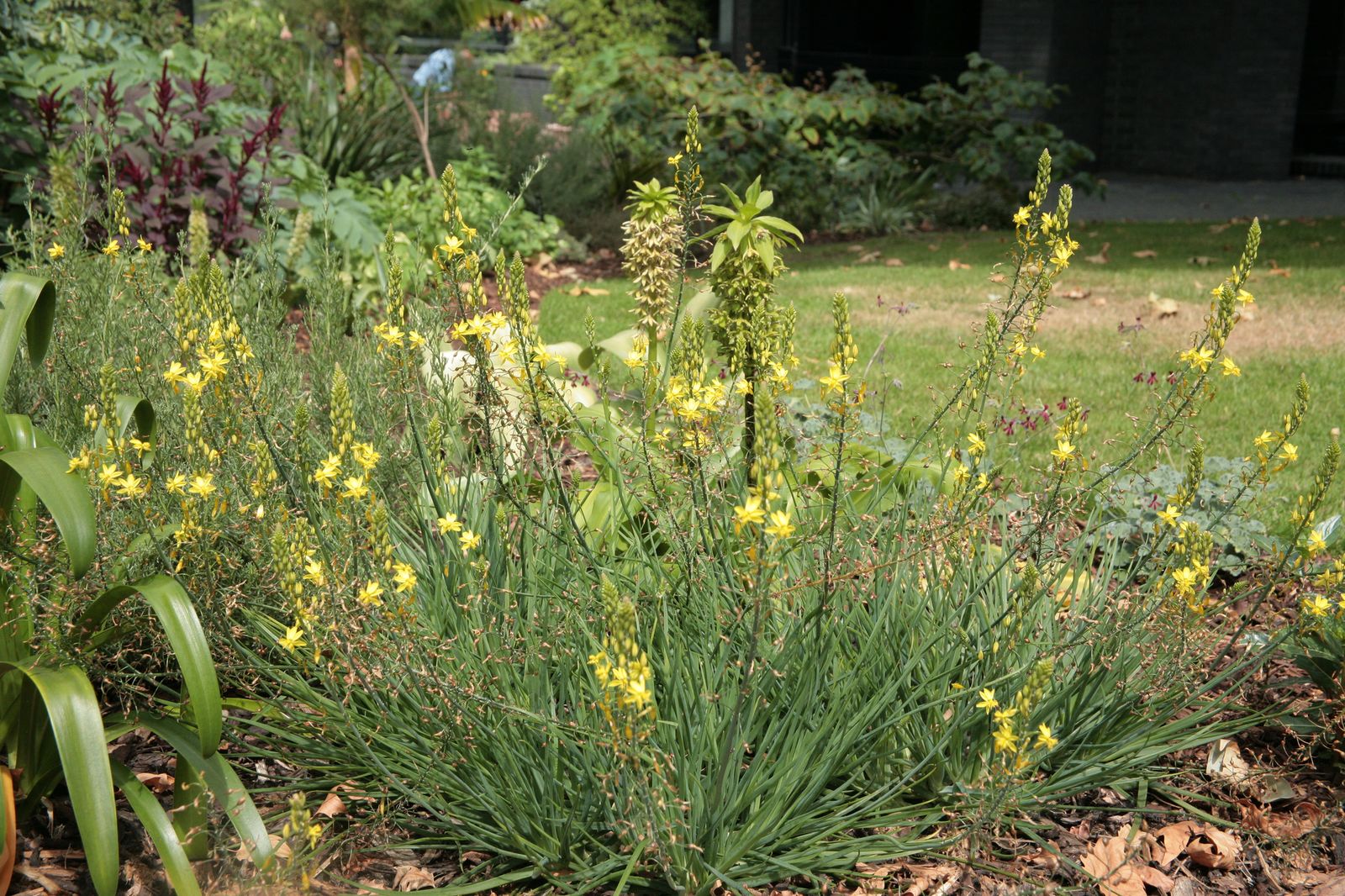
Bulbine
(Bulbine Wolf)
Also Known As
Bulbine, Stalked bulbine, Bulbine lily
About This Plant
Bulbine Wolf is a succulent plant species that belongs to the family Asphodelaceae. It is native to South Africa and is commonly known as 'Bulbine' or 'Burn Jelly Plant'. The plant has thick, fleshy leaves that store water, making it a drought-tolerant plant.
Plant Care Instructions
Outdoor Size Range
12-24 inches (30-60 cm)
Light Requirements
Bulbine Wolf requires full sun to partial shade. It can tolerate direct sunlight for a few hours, but too much direct sunlight can cause leaf scorching. Indoors, place the plant near a south-facing window.
Humidity Needs
Bulbine Wolf prefers low humidity levels and can tolerate dry air.
Fertilizing Schedule
Fertilize the plant with a balanced fertilizer once a month during the growing season. Do not fertilize during the dormant season.
Pruning Guidelines
Prune the plant to maintain its shape and remove any dead or damaged leaves. Bulbine Wolf can also be propagated by stem cuttings.
Common Pests and Diseases
Bulbine Wolf is relatively pest-free but can be susceptible to mealybugs and spider mites. Treat any infestations with an insecticidal soap.
Indoor Size Range
6-12 inches (15-30 cm)
Watering Schedule
Water the plant deeply but infrequently. Allow the soil to dry out completely before watering again. Bulbine Wolf is drought-tolerant and can survive long periods without water.
Temperature Range
The plant prefers warm temperatures between 60-80°F (15-27°C). It can tolerate high temperatures up to 90°F (32°C) but cannot survive frost.
Growing Season
Bulbine Wolf is a year-round plant that can be grown indoors or outdoors. It blooms in spring and summer, producing yellow or orange flowers.
Growing Difficulty Level
Bulbine Wolf is an easy-to-grow plant that requires minimal care. It is suitable for both indoor and outdoor cultivation.
USDA Hardiness Zones
Bulbine Wolf is hardy in USDA zones 9-11.
Did You Know?
Bulbine Wolf has been traditionally used in South African medicine to treat burns and insect bites. The sap from the leaves can be applied topically to soothe skin irritations.
