Special Web Offer - Get 50% OFF!
Grab Your Deal Now
PlantSnap
Plant Care
Paper mulberry
(Broussonetia papyrifera)
Also Known As
Paper mulberry, Broussonetia, Chinese mulberry
About This Plant
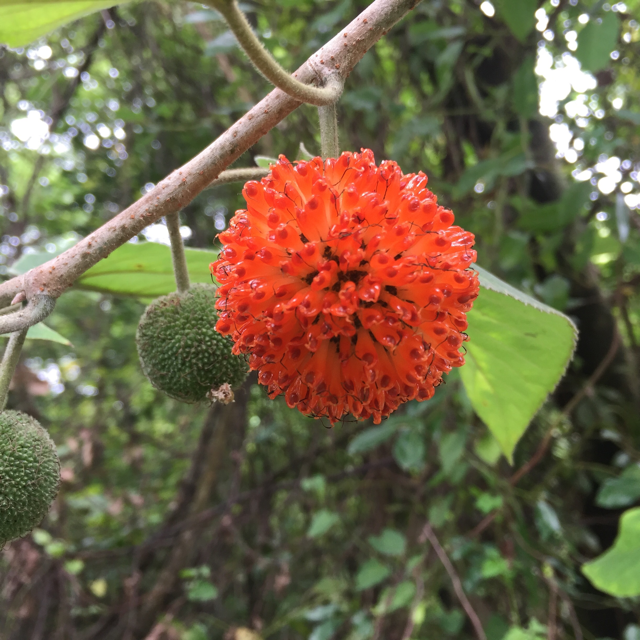
Broussonetia papyrifera is a flowering plant species that belongs to the Moraceae family. It is a dioecious tree that can grow up to 10-20 m (33-66 ft) tall. The leaves are alternate and simple, with toothed margins. The fruit is a syncarp, which is a multiple fruit that is formed from the fusion of many ovaries from several flowers.
Plant Care Instructions
Outdoor Size Range
10-20 m (33-66 ft)
Light Requirements
Paper Mulberry requires full sun to partial shade. It can tolerate a wide range of light conditions, but it grows best in full sun.
Humidity Needs
Paper Mulberry prefers moderate humidity levels, but it can tolerate low humidity.
Fertilizing Schedule
Fertilize Paper Mulberry once a year in spring with a slow-release fertilizer. Do not over-fertilize, as this can damage the tree.
Pruning Guidelines
Prune Paper Mulberry in late winter or early spring to remove dead or damaged branches. You can also prune the tree to control its size and shape.
Common Pests and Diseases
Paper Mulberry is susceptible to scale insects and spider mites. It can also be affected by powdery mildew and leaf spot.
Indoor Size Range
Not suitable for indoor growth
Watering Schedule
Paper Mulberry prefers moist soil but can tolerate some drought. Water the plant regularly during the growing season, but reduce watering in winter.
Temperature Range
Paper Mulberry can tolerate a wide range of temperatures, from -10°C to 40°C (14°F to 104°F). However, it prefers a warm and humid climate.
Growing Season
Paper Mulberry grows best in spring and summer.
Growing Difficulty Level
Paper Mulberry is relatively easy to grow, but it can be invasive in some areas.
USDA Hardiness Zones
Paper Mulberry is hardy in USDA zones 7 to 11.
Did You Know?
Paper Mulberry is known for its bark, which was traditionally used in the production of paper and cloth in China and Japan.
