Special Web Offer - Get 50% OFF!
Grab Your Deal Now
PlantSnap
Plant Care
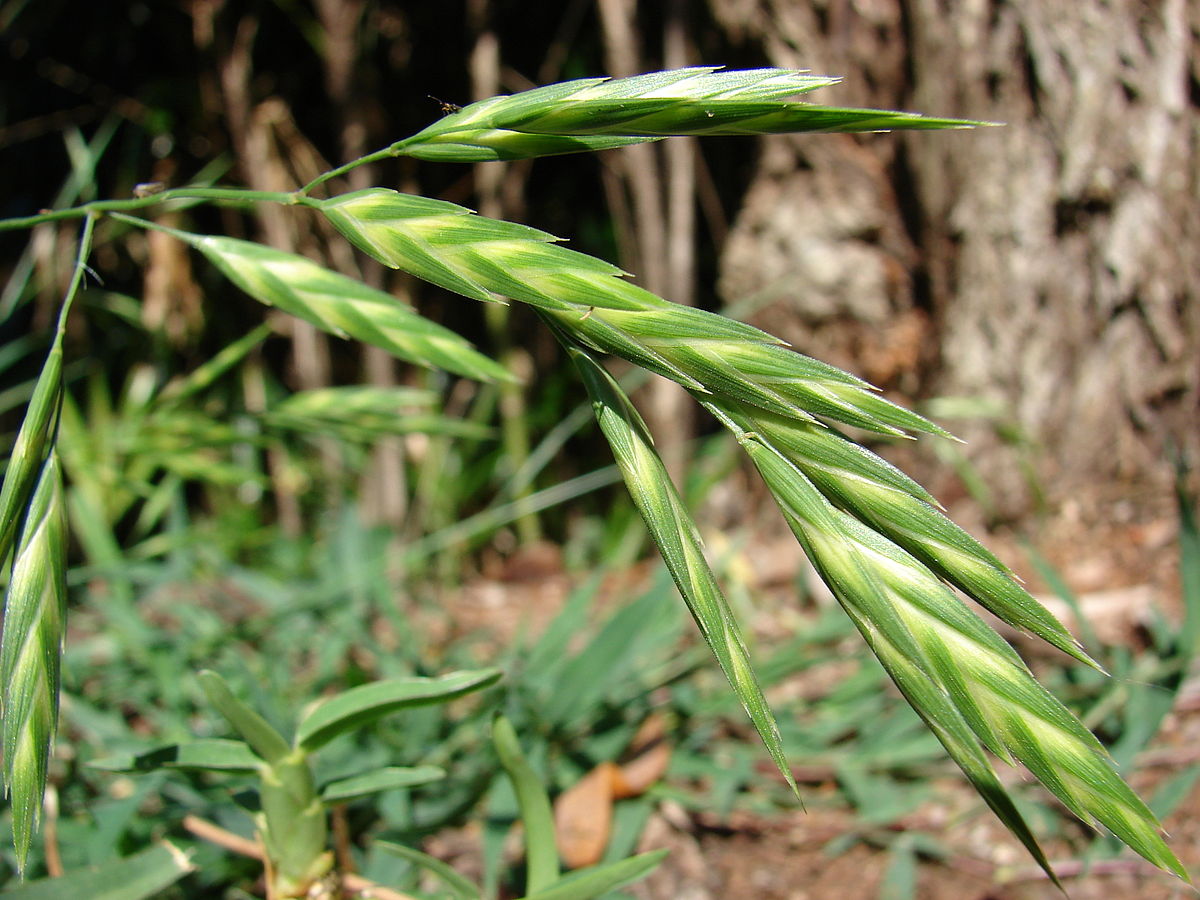
Rescuegrass
(Bromus catharticus)
Also Known As
Rescuegrass, Cattle grass, Prairie grass
About This Plant
Bromus catharticus is a species of grass commonly known as rescue grass. It is a tall, tufted, annual or perennial grass with erect stems that can reach up to 1.5 m (4.9 ft) in height.
Plant Care Instructions
Outdoor Size Range
Height: 3-5 feet (0.9-1.5 meters), Spread: 2-3 feet (0.6-0.9 meters)
Light Requirements
Bromus catharticus requires full sun to grow properly. It is not shade-tolerant.
Humidity Needs
Bromus catharticus does not have specific humidity requirements.
Fertilizing Schedule
It does not require much fertilizer. A balanced fertilizer can be applied once or twice a year.
Pruning Guidelines
Bromus catharticus does not require pruning.
Common Pests and Diseases
Common pests that affect Bromus catharticus include armyworms, cutworms, and aphids. Diseases that can affect it include rust and smut.
Indoor Size Range
Not suitable for indoor cultivation.
Watering Schedule
It is drought-tolerant and can survive in low-water conditions. However, for optimal growth, it requires consistent watering.
Temperature Range
It can tolerate a wide range of temperatures, from hot summers to cold winters. It can survive frost and snow.
Growing Season
Bromus catharticus can be grown year-round in warm climates. In colder climates, it is typically grown as an annual and planted in the spring.
Growing Difficulty Level
Bromus catharticus is an easy plant to grow. It is drought-tolerant and can survive in a wide range of temperatures.
USDA Hardiness Zones
Bromus catharticus is hardy in USDA zones 4-9.
Did You Know?
Bromus catharticus is often used for erosion control and as forage for livestock. It is also used in the production of biofuels.
