Special Web Offer - Get 50% OFF!
Grab Your Deal Now
PlantSnap
Plant Care
Bougainvillea
(Bougainvillea buttiana)
Also Known As
Bougainvillea, Paper flower, Bugambilia
About This Plant
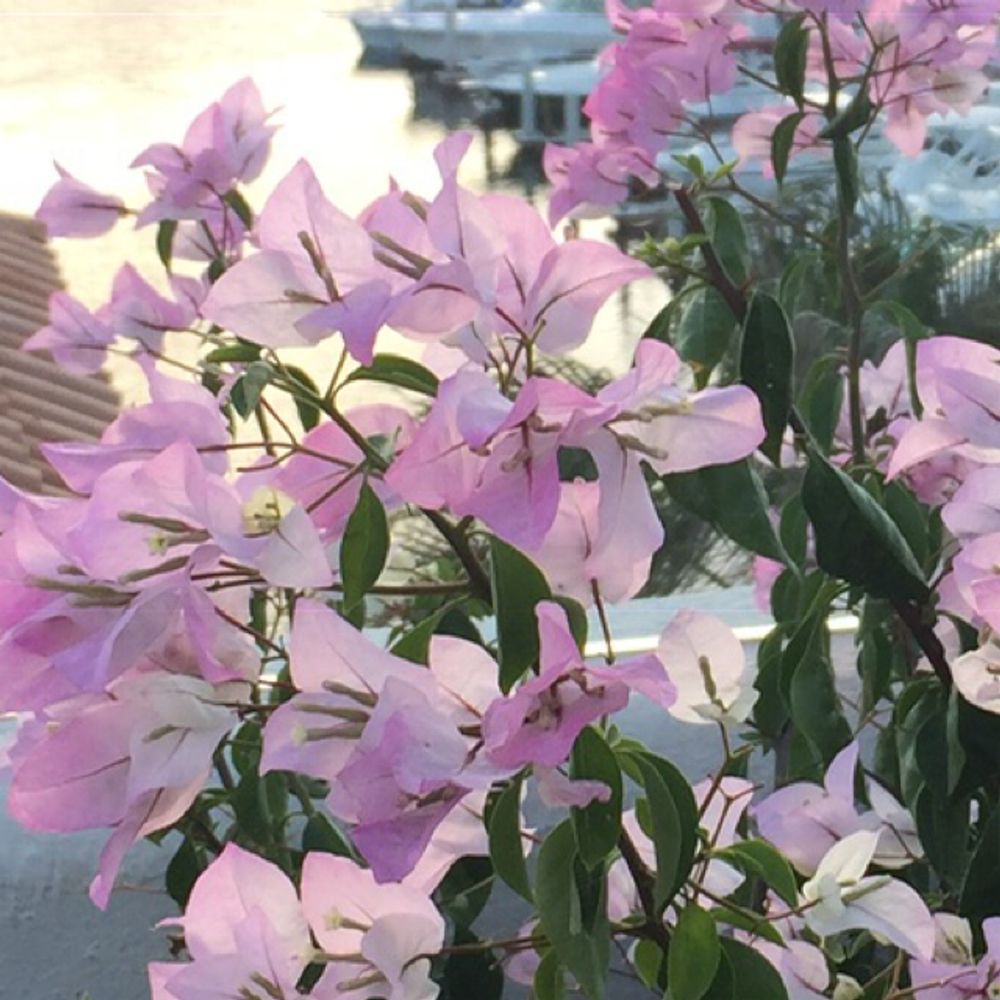
Bougainvillea buttiana is a thorny, evergreen climber with vibrant, showy flowers. It is a hybrid plant species, created by crossing Bougainvillea glabra and Bougainvillea peruviana. The plant has a woody stem and branches that can reach up to 30 feet (9 meters) in length. The flowers are small and white, but the showy bracts (modified leaves) surrounding the flowers are what make this plant so striking. The bracts can come in a range of colors, including pink, red, purple, orange, and yellow.
Plant Care Instructions
Outdoor Size Range
Can grow up to 30 feet (9 meters) in length
Light Requirements
Bougainvillea thrives in full sun, requiring at least 6 hours of direct sunlight per day. It can tolerate some shade, but too much shade will result in poor flowering.
Humidity Needs
Bougainvillea prefers low to moderate humidity levels and can tolerate dry air.
Fertilizing Schedule
Bougainvillea requires regular fertilization during the growing season (spring and summer). Use a balanced fertilizer with equal parts nitrogen, phosphorus, and potassium. Avoid over-fertilizing, as this can lead to excessive vegetative growth at the expense of flowering.
Pruning Guidelines
Prune Bougainvillea in late winter or early spring to control its size and shape. Remove any dead or diseased wood, and cut back the previous year's growth by one-third to one-half. Pinching back the tips of the branches throughout the growing season can also promote bushier growth and more flowers.
Common Pests and Diseases
Bougainvillea is relatively pest-free, but it can be susceptible to spider mites, mealybugs, and aphids. Regularly inspect the plant for signs of infestation and treat with insecticidal soap or neem oil as needed.
Indoor Size Range
Not suitable for indoor growing
Watering Schedule
Bougainvillea prefers to be kept on the dry side and is drought-tolerant once established. Water deeply, but infrequently, allowing the soil to dry out in between waterings.
Temperature Range
Bougainvillea prefers warm temperatures between 60-80°F (15-27°C). It can tolerate cooler temperatures down to 40°F (4°C), but prolonged exposure to cold temperatures can damage the plant.
Growing Season
Bougainvillea grows best during the spring and summer months, when temperatures are warm and days are long.
Growing Difficulty Level
Bougainvillea is considered moderately difficult to grow. It requires full sun, well-draining soil, and regular fertilization. It can be prone to root rot if overwatered, and it may not flower if it doesn't receive enough sunlight.
USDA Hardiness Zones
Bougainvillea is hardy in USDA zones 9-11.
Did You Know?
The vibrant bracts of Bougainvillea are often mistaken for flowers, but the true flowers are actually small and white. The bracts are modified leaves that surround the flowers, and they are what give Bougainvillea its striking appearance.