Special Web Offer - Get 50% OFF!
Grab Your Deal Now
PlantSnap
Plant Care
Bottlebrush
(Callistemon R)
Also Known As
Bottlebrush, Callistemon
About This Plant
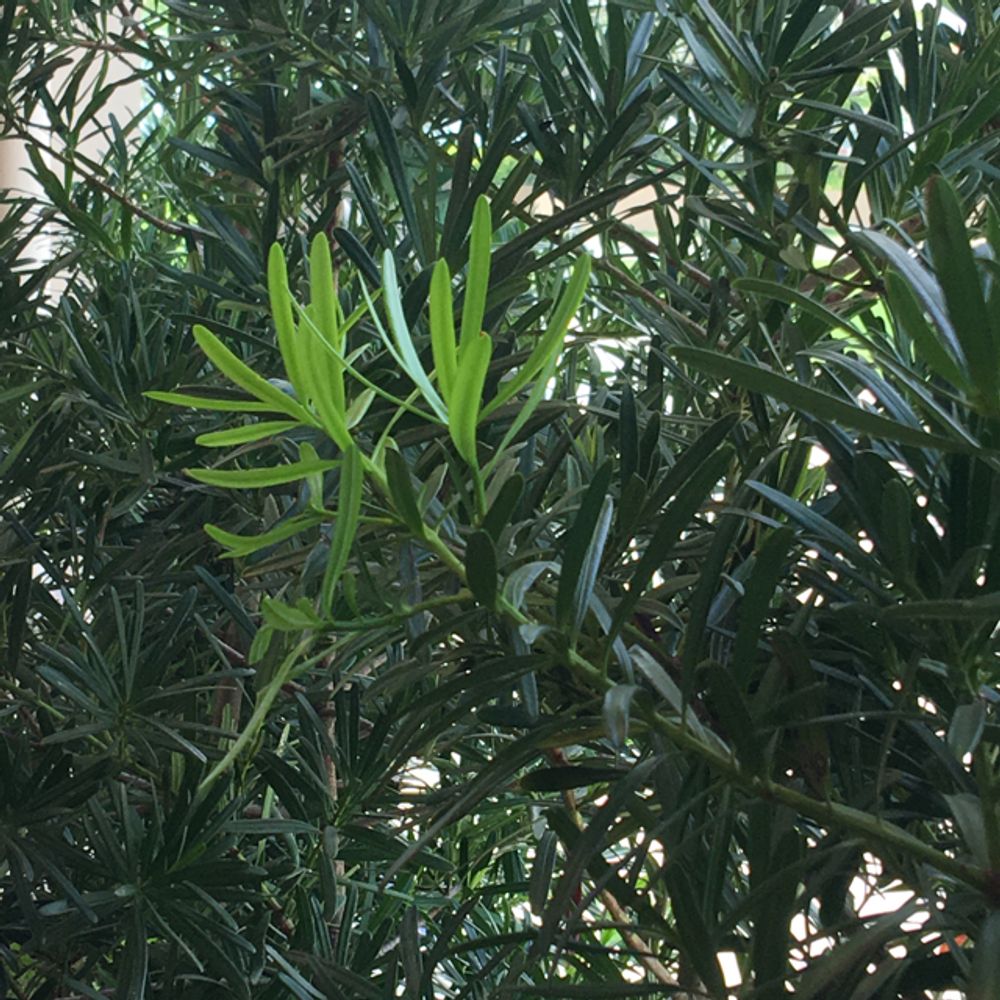
Callistemon R is a flowering plant species that belongs to the Myrtaceae family. The plant is commonly known as Bottlebrush due to its cylindrical, brush-like flowers that resemble a bottle brush. The plant is native to Australia and is widely cultivated around the world for its ornamental value.
Plant Care Instructions
Outdoor Size Range
5-15 feet (1.52-4.57 meters)
Light Requirements
Bottlebrush plants require full sun to partial shade. They thrive in bright light conditions, but too much direct sunlight can scorch the leaves and flowers.
Humidity Needs
Bottlebrush plants can tolerate a wide range of humidity levels, but they prefer moderate to high humidity. Regular misting can help maintain the required humidity levels.
Fertilizing Schedule
Fertilize the plant with a balanced fertilizer every 2-3 months during the growing season. Avoid fertilizing during the dormant season.
Pruning Guidelines
Prune the plant after the flowering season to maintain its shape and promote new growth. Remove any dead or damaged branches and cut back the stems to encourage bushier growth.
Common Pests and Diseases
Bottlebrush plants are susceptible to scale insects, spider mites, and mealybugs. Regular inspection and treatment with insecticidal soap can help prevent infestations.
Indoor Size Range
24-36 inches (60.96-91.44 cm)
Watering Schedule
Bottlebrush plants prefer slightly acidic soil that is moist but well-drained. Water the plant regularly, especially during the growing season, but avoid overwatering as it can lead to root rot.
Temperature Range
Bottlebrush plants prefer warm temperatures between 60-75°F (15.5-24°C). They can tolerate occasional temperature drops but are not frost-tolerant.
Growing Season
The growing season for Bottlebrush plants is from spring to fall.
Growing Difficulty Level
Bottlebrush plants are relatively easy to grow and maintain, making them a popular choice for gardeners and landscapers.
USDA Hardiness Zones
Bottlebrush plants are hardy in USDA zones 8-11.
Did You Know?
The Bottlebrush plant is not only popular for its ornamental value but also for its medicinal properties. The plant has been traditionally used by Aboriginal people to treat various ailments, including coughs, colds, and skin infections.
