Special Web Offer - Get 50% OFF!
Grab Your Deal Now
PlantSnap
Plant Care
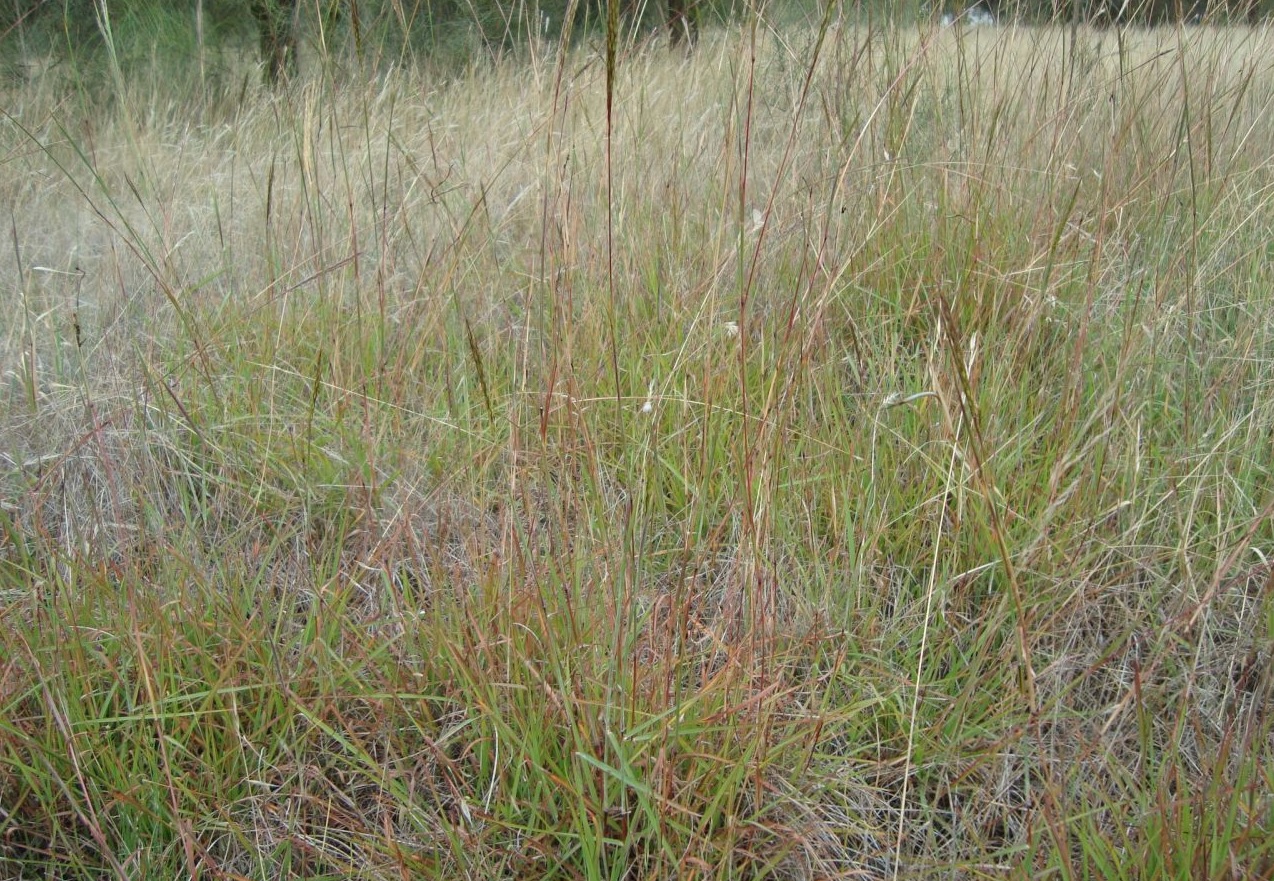
Red grass
(Bothriochloa macra)
Also Known As
Red grass, Redgrass, Australian red grass, Native blue grass
About This Plant
Bothriochloa macra is a warm-season grass species that grows in clumps and is native to North America. It is a perennial grass that can grow up to 3 feet (0.9 meters) tall and has green or blue-green leaves that are 4-8 inches (10-20 cm) long and 0.1-0.2 inches (2-5 mm) wide. The plant produces seed heads that are 4-6 inches (10-15 cm) long and have a purplish tint.
Plant Care Instructions
Outdoor Size Range
Up to 3 feet (0.9 meters) tall
Light Requirements
Bothriochloa macra requires full sun to grow and thrive. It needs at least 6 hours of direct sunlight per day.
Humidity Needs
Bothriochloa macra can tolerate low humidity levels and does not require any additional humidity.
Fertilizing Schedule
Bothriochloa macra requires fertilization once a year in the spring. Use a balanced fertilizer with equal amounts of nitrogen, phosphorus, and potassium.
Pruning Guidelines
Pruning is not necessary for Bothriochloa macra. However, you can cut back the plant in the fall to remove any dead or damaged growth.
Common Pests and Diseases
Bothriochloa macra is relatively pest and disease-resistant. However, it can be susceptible to rust and leaf spot diseases.
Indoor Size Range
Not suitable for indoor growth
Watering Schedule
This grass species requires moderate watering. Water the plant when the top 1-2 inches (2.5-5 cm) of soil is dry. Avoid overwatering as it can lead to root rot.
Temperature Range
This grass species prefers warm temperatures and can tolerate high heat. It can grow in USDA hardiness zones 4-9.
Growing Season
Bothriochloa macra is a warm-season grass species that grows during the summer months. It is best to plant the grass in the spring after the last frost.
Growing Difficulty Level
Bothriochloa macra is a relatively easy grass species to grow and maintain.
USDA Hardiness Zones
Bothriochloa macra can grow in USDA hardiness zones 4-9.
Did You Know?
Bothriochloa macra is the state grass of Kansas and was an important food source for bison in the Great Plains region of North America.