Special Web Offer - Get 50% OFF!
Grab Your Deal Now
PlantSnap
Plant Care
Blueberry
(Vaccinium Cyanococcus )
Also Known As
Blueberry, Highbush blueberry, Northern highbush blueberry
About This Plant
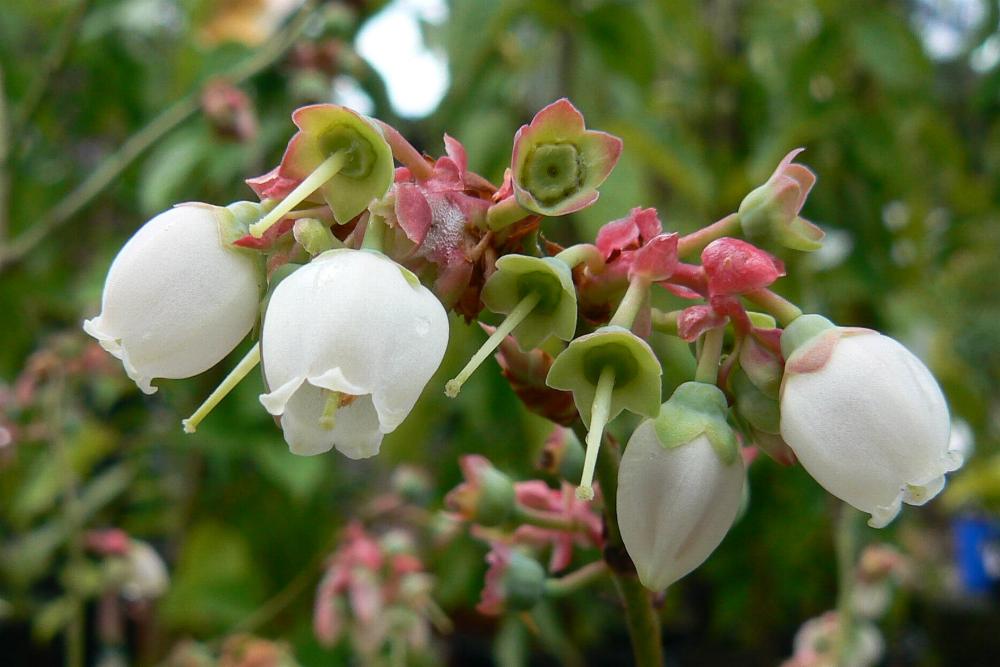
Vaccinium Cyanococcus is a deciduous shrub that belongs to the heath family. It is commonly known as Blueberry and is native to North America. The plant has green leaves and produces small, white or pink flowers in the spring and early summer. The fruit is a blueberry, which is a small, sweet, and nutritious berry.
Plant Care Instructions
Outdoor Size Range
36-72 inches (91-183 cm)
Light Requirements
Blueberries require full sun to produce the best fruit. They need at least 6 hours of direct sunlight per day.
Humidity Needs
Blueberries prefer a moderate to high humidity level. If the air is too dry, mist the plant with water to increase the humidity.
Fertilizing Schedule
Blueberries require acidic soil with a pH between 4.0 and 5.0. Fertilize the plant with an acidic fertilizer formulated for blueberries, following the package instructions.
Pruning Guidelines
Prune blueberries in late winter or early spring before new growth begins. Remove any dead, damaged, or diseased wood, and thin out any weak or crossing branches.
Common Pests and Diseases
Common pests of blueberries include aphids, spider mites, and fruitworms. Diseases that can affect blueberries include powdery mildew, mummy berry, and root rot.
Indoor Size Range
24-36 inches (61-91 cm)
Watering Schedule
Blueberries require consistent moisture, but they do not like to be waterlogged. Water the plant deeply once a week, and more frequently during hot and dry weather.
Temperature Range
Blueberries prefer cool to moderate temperatures, with a range of 60-75°F (15-24°C).
Growing Season
The growing season for blueberries is from late spring to early fall.
Growing Difficulty Level
Blueberries can be moderately difficult to grow, as they require specific soil and environmental conditions to thrive.
USDA Hardiness Zones
Blueberries are hardy in USDA zones 3-7.
Did You Know?
Blueberries were an important food for Native Americans, who used them for medicinal purposes as well as for food. They were also used to dye clothing and baskets.
