Special Web Offer - Get 50% OFF!
Grab Your Deal Now
PlantSnap
Plant Care
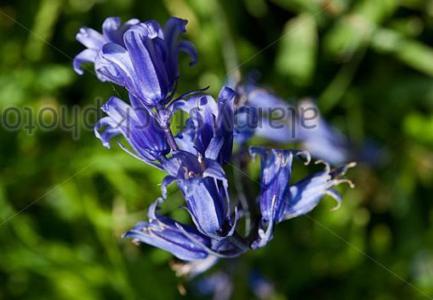
Common bluebell
(Bluebell (Endymion nonscripta)
Also Known As
Common bluebell, English bluebell, Hyacinthoides non-scripta
About This Plant
Bluebell (Endymion nonscripta) is a perennial bulbous plant species that produces bell-shaped flowers in shades of blue. It is native to Western Europe and is a popular ornamental plant due to its attractive flowers and foliage.
Plant Care Instructions
Outdoor Size Range
8-12 inches (20-30 cm) tall and 4-6 inches (10-15 cm) wide
Light Requirements
Bluebells prefer partial to full shade and can tolerate dappled sunlight. Direct sunlight can damage the leaves.
Humidity Needs
Bluebells prefer moderate humidity levels.
Fertilizing Schedule
Bluebells do not require fertilization. However, a light application of a balanced fertilizer in early spring can help promote growth.
Pruning Guidelines
Bluebells do not require pruning. Remove dead flowers and leaves as needed.
Common Pests and Diseases
Bluebells are generally pest-free but may be susceptible to slugs and snails.
Indoor Size Range
N/A
Watering Schedule
Bluebells prefer moist but well-drained soil. Water regularly during the growing season and reduce watering during the dormant season.
Temperature Range
Bluebells prefer cool temperatures between 50-60°F (10-15°C). They can tolerate slightly warmer temperatures but may wilt in hot weather.
Growing Season
Bluebells bloom in late spring to early summer.
Growing Difficulty Level
Bluebells are relatively easy to grow and require minimal care.
USDA Hardiness Zones
3-8
Did You Know?
Bluebells are a symbol of humility and gratitude in folklore and are often associated with fairies and woodland spirits.
