Special Web Offer - Get 50% OFF!
Grab Your Deal Now
PlantSnap
Plant Care
Trifid bur-marigold
(Bidens tripartita)
Also Known As
Trifid bur-marigold, Three-part bur-marigold, Common beggar-ticks
About This Plant
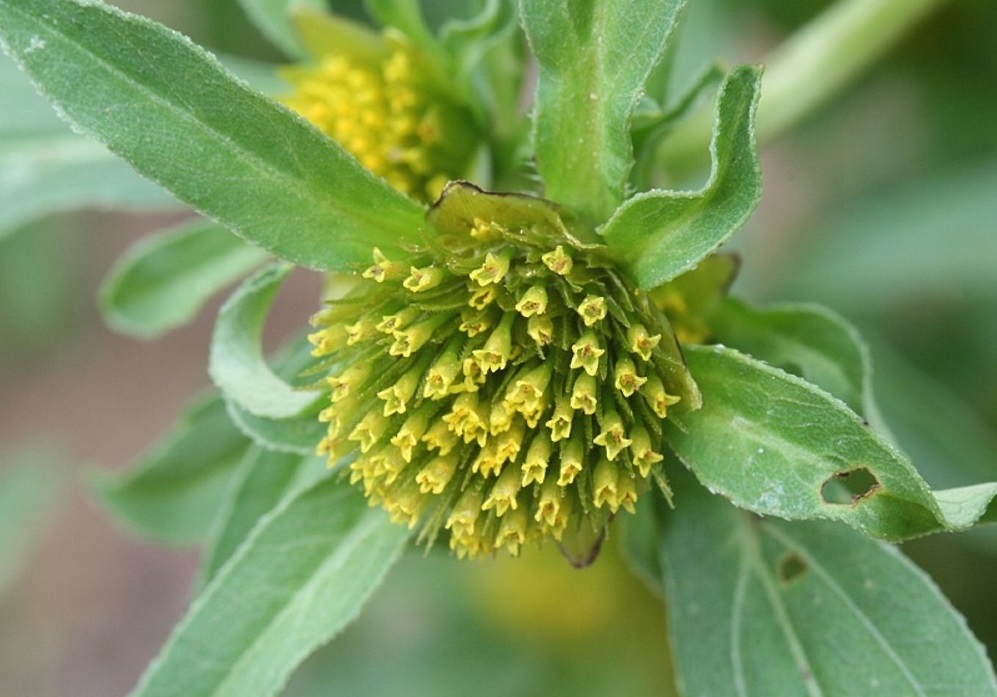
Bidens tripartita is a flowering plant species that belongs to the Asteraceae family. It is an annual herbaceous plant that grows up to 1.5 meters (4.9 feet) tall. The plant has a slender stem with alternate leaves that are divided into three lobes. The flowers are yellow and bloom from July to October.
Plant Care Instructions
Outdoor Size Range
Height: 1-1.5 meters (3-5 feet), Spread: 0.5-1 meters (1.5-3 feet)
Light Requirements
Bidens tripartita prefers full sun to partial shade. It requires at least 6 hours of direct sunlight per day.
Humidity Needs
Bidens tripartita prefers moderate to high humidity levels. Mist the plant regularly to increase humidity levels.
Fertilizing Schedule
Fertilize the plant with a balanced fertilizer once a month during the growing season.
Pruning Guidelines
Deadhead the plant regularly to encourage new growth and flowering. Cut back the plant in late fall or early spring to promote bushier growth.
Common Pests and Diseases
The plant is susceptible to aphids, spider mites, and whiteflies. Treat with insecticidal soap or neem oil.
Indoor Size Range
Not suitable for indoor growth
Watering Schedule
The plant requires moderate watering. Keep the soil moist but not waterlogged. Water the plant when the top inch of soil is dry.
Temperature Range
The plant prefers warm temperatures between 15-25°C (59-77°F). It can tolerate temperatures as low as -10°C (14°F).
Growing Season
Bidens tripartita grows in the summer and fall seasons.
Growing Difficulty Level
Bidens tripartita is easy to grow and maintain. It is a hardy plant that can tolerate a range of growing conditions.
USDA Hardiness Zones
Bidens tripartita is hardy in USDA zones 3-9.
Did You Know?
The common name 'beggarticks' comes from the plant's ability to stick to clothing and animal fur, much like burdock and other plants in the Asteraceae family.
