Special Web Offer - Get 50% OFF!
Grab Your Deal Now
PlantSnap
Plant Care
Silver birch
(Betula pendula pendula)
Also Known As
Silver birch, European birch, White birch, Common birch
About This Plant
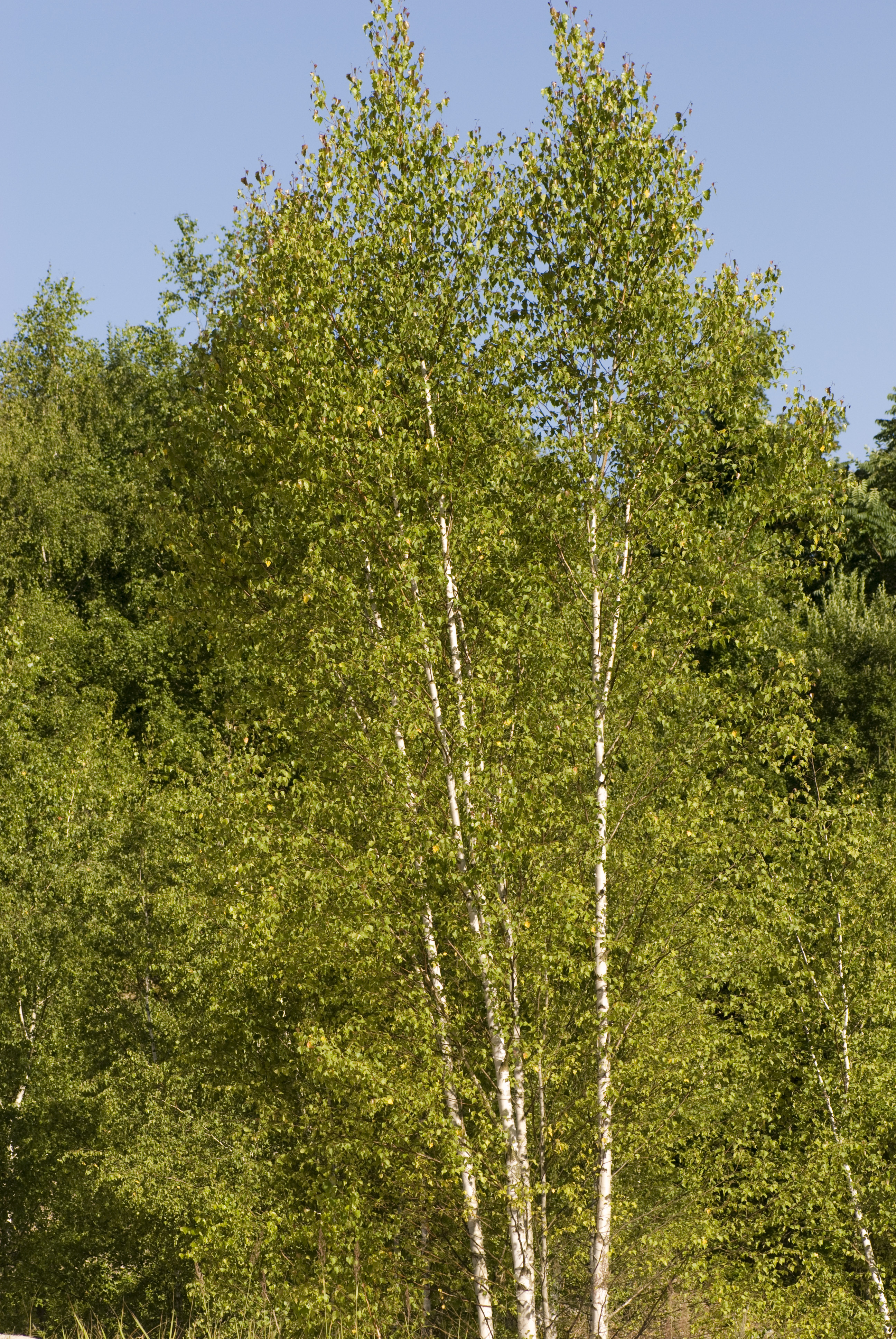
Betula pendula pendula is a deciduous tree that belongs to the Betulaceae family. It is commonly known as European white birch or silver birch. The tree has a slender trunk, with white bark that peels off in thin strips. The leaves are small, triangular, and toothed, and the flowers are catkins that appear in early spring.
Plant Care Instructions
Outdoor Size Range
40-50 feet (12-15 meters)
Light Requirements
Betula pendula pendula prefers full sun to partial shade. It requires at least six hours of direct sunlight per day.
Humidity Needs
Betula pendula pendula prefers moderate humidity levels, but it can tolerate dry air.
Fertilizing Schedule
The tree does not require much fertilizer, but it can benefit from a balanced fertilizer in the spring.
Pruning Guidelines
Pruning should be done in the late winter or early spring, before the tree begins to leaf out. It is best to prune only dead or damaged branches.
Common Pests and Diseases
Common pests include bronze birch borer, birch leaf miner, and aphids.
Indoor Size Range
N/A
Watering Schedule
The tree should be watered regularly, especially during the first few years of growth. It prefers moist, well-drained soil.
Temperature Range
The tree can tolerate a wide range of temperatures, from -40°F (-40°C) to 95°F (35°C).
Growing Season
The growing season for Betula pendula pendula is from late spring to early fall.
Growing Difficulty Level
Betula pendula pendula is relatively easy to grow, but it requires regular watering and pruning to maintain its shape.
USDA Hardiness Zones
USDA hardiness zones 2 to 7.
Did You Know?
In Celtic mythology, the silver birch was believed to have protective powers and was often planted near homes to ward off evil spirits.
