Special Web Offer - Get 50% OFF!
Grab Your Deal Now
PlantSnap
Plant Care
Paper birch
(Betula papyrifera)
Also Known As
Paper birch, White birch, Ghost birch, canoe birch
About This Plant
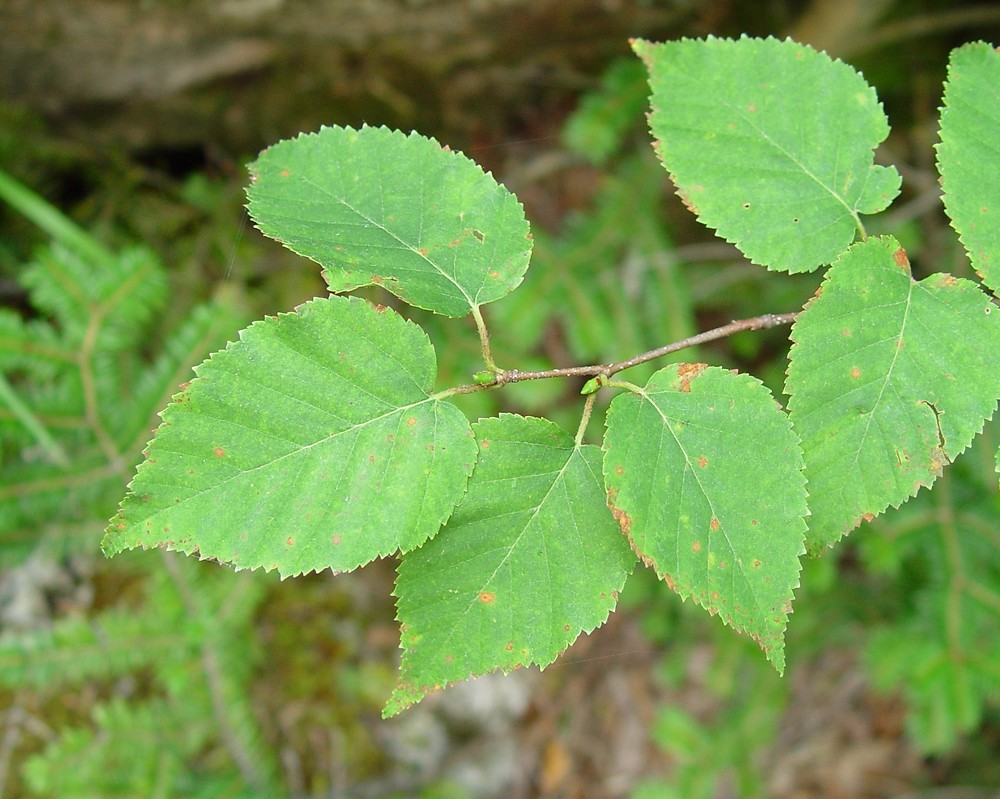
Betula papyrifera, commonly known as Paper Birch or White Birch, is a deciduous tree native to North America. It is a medium-sized tree that can grow up to 70 feet (21 meters) tall and 2 feet (0.6 meters) in diameter. The bark is white, thin, and papery, which peels off in large sheets.
Plant Care Instructions
Outdoor Size Range
40-70 feet (12-21 meters) tall and 1-2 feet (0.3-0.6 meters) in diameter.
Light Requirements
Paper Birch requires full sun to partial shade. It prefers at least 6 hours of direct sunlight per day.
Humidity Needs
It does not require high humidity levels and can tolerate dry air.
Fertilizing Schedule
It does not require frequent fertilization. However, if the tree is not growing well, a slow-release fertilizer can be applied in early spring.
Pruning Guidelines
Pruning is not necessary for Paper Birch. However, dead or damaged branches can be removed in late winter or early spring.
Common Pests and Diseases
Common pests and diseases for Paper Birch include bronze birch borer, birch leafminer, and aphids. It is also susceptible to fungal diseases such as leaf spot and canker.
Indoor Size Range
Not suitable for indoor growth.
Watering Schedule
It requires moderate watering, especially during hot and dry weather. The soil should be kept moist but not waterlogged.
Temperature Range
Paper Birch can tolerate a wide range of temperatures, from -50°F (-45°C) to 90°F (32°C).
Growing Season
Paper Birch grows best in spring and early summer.
Growing Difficulty Level
Paper Birch is relatively easy to grow and maintain. However, it requires a cool and moist climate and may not thrive in hot and dry regions.
USDA Hardiness Zones
USDA hardiness zones 2-7.
Did You Know?
The bark of Paper Birch was used by Native Americans to make canoes, baskets, and other household items. It is also a popular ornamental tree in landscaping due to its distinctive white bark.