Special Web Offer - Get 50% OFF!
Grab Your Deal Now
PlantSnap
Plant Care
River birch
(Betula nigra)
Also Known As
River birch, Black birch, Water birch
About This Plant
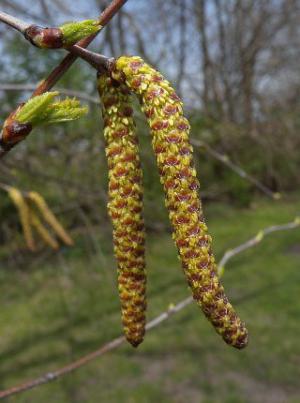
Betula nigra is a deciduous tree that can grow up to 80 feet (24 meters) tall. It has a broad, spreading crown and dark brown to gray bark that peels in curly strips. The leaves are alternate, simple, and doubly serrate. The species is monoecious, meaning that it has separate male and female flowers on the same tree. The male flowers are yellow-brown catkins that hang down from the branches, while the female flowers are upright and green. The fruit is a small nutlet with two wings that is dispersed by the wind.
Plant Care Instructions
Outdoor Size Range
50-80 feet (15-24 meters)
Light Requirements
Betula nigra prefers full sun to partial shade.
Humidity Needs
The tree prefers moderate humidity levels.
Fertilizing Schedule
The tree does not require regular fertilization, but can benefit from a slow-release fertilizer applied in the spring.
Pruning Guidelines
Pruning is not necessary, but the tree can be pruned to remove dead or damaged branches.
Common Pests and Diseases
The tree is relatively pest-free, but can be susceptible to bronze birch borer and birch leafminer.
Indoor Size Range
Not suitable for indoor cultivation
Watering Schedule
The tree requires regular watering, especially in the first few years after planting. Once established, it can tolerate some drought.
Temperature Range
Betula nigra can tolerate a wide range of temperatures, from -20°F (-29°C) to 110°F (43°C).
Growing Season
Betula nigra grows in the spring and summer, and can be planted in the fall or spring.
Growing Difficulty Level
Betula nigra is relatively easy to grow, but requires regular watering and can be susceptible to pests.
USDA Hardiness Zones
USDA hardiness zones 4-9.
Did You Know?
The bark of Betula nigra is often used in the manufacturing of furniture and flooring due to its unique texture and coloration.