Special Web Offer - Get 50% OFF!
Grab Your Deal Now
PlantSnap
Plant Care
Shen's barberry
(Berberis shensiana)
Also Known As
Shen's barberry, Chinese barberry
About This Plant
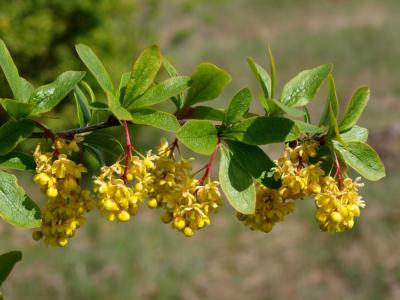
Berberis shensiana is a deciduous shrub that can grow up to 2 meters tall. It has spiny branches and small, yellow flowers that bloom in the spring, followed by red berries in the fall. The leaves are green and oval-shaped.
Plant Care Instructions
Outdoor Size Range
3-6 feet (0.9-1.8 meters)
Light Requirements
Berberis shensiana prefers full sun to partial shade. It can tolerate some shade, but too much shade can result in weaker growth and fewer flowers.
Humidity Needs
Berberis shensiana prefers moderate to high humidity levels. It can tolerate some dryness, but too much can cause leaf drop and stress the plant.
Fertilizing Schedule
Berberis shensiana benefits from regular fertilization, especially during the growing season. A balanced fertilizer can help promote healthy growth and flowering.
Pruning Guidelines
Pruning is not necessary for Berberis shensiana, but it can help promote bushier growth and a more compact shape. Prune in the late winter or early spring before new growth appears.
Common Pests and Diseases
Common pests for Berberis shensiana include aphids, spider mites, and scale insects. Diseases such as powdery mildew and rust can also affect this plant species.
Indoor Size Range
Not suitable for indoor growth
Watering Schedule
This plant species prefers well-draining soil and regular watering, especially during dry periods. It is important not to overwater as this can lead to root rot.
Temperature Range
This plant species can tolerate a range of temperatures, from -10 to 40 degrees Celsius (14 to 104 degrees Fahrenheit). However, it prefers cooler temperatures and can suffer in extreme heat.
Growing Season
Berberis shensiana typically grows from spring to fall, with the most active growth occurring in the spring and early summer.
Growing Difficulty Level
Berberis shensiana is relatively easy to grow and care for, making it a good choice for beginner gardeners.
USDA Hardiness Zones
Berberis shensiana is hardy in USDA zones 5 to 8.
Did You Know?
Berberis shensiana has been used in traditional Chinese medicine to treat a variety of ailments, including fever, diarrhea, and inflammation.