Special Web Offer - Get 50% OFF!
Grab Your Deal Now
PlantSnap
Plant Care
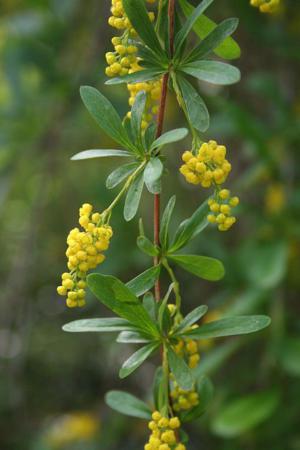
Nepalese barberry
(Berberis replicata)
Also Known As
Nepalese barberry, Replicate barberry, Himalayan barberry
About This Plant
Berberis replicata is a species of flowering plant in the family Berberidaceae, native to California. It is a small to medium-sized evergreen shrub with dark green leaves and clusters of yellow flowers in the spring. The plant produces edible berries that are used in jams and jellies.
Plant Care Instructions
Outdoor Size Range
Height: 2-4 feet (60-120 cm), Spread: 4-6 feet (120-180 cm)
Light Requirements
Berberis replicata prefers full sun to partial shade. It can tolerate some shade but will not flower as well.
Humidity Needs
Berberis replicata prefers average to low humidity levels.
Fertilizing Schedule
The plant does not require much fertilizer. A slow-release fertilizer in the spring will help promote growth.
Pruning Guidelines
Prune the plant in the winter to shape it and remove any dead or damaged branches.
Common Pests and Diseases
Berberis replicata is relatively pest-free, but it can be susceptible to aphids and spider mites.
Indoor Size Range
Not suitable for indoor cultivation
Watering Schedule
The plant prefers well-draining soil and requires moderate watering. It is drought-tolerant and can survive with less water, but regular watering will keep it healthy.
Temperature Range
The plant can tolerate a wide range of temperatures, from 0°F (-18°C) to 100°F (38°C).
Growing Season
Berberis replicata grows best in the spring and summer.
Growing Difficulty Level
Berberis replicata is easy to grow and maintain.
USDA Hardiness Zones
USDA hardiness zones 7-10.
Did You Know?
Berberis replicata is known to be a host plant for the Oregon silverspot butterfly, which is listed as a threatened species under the Endangered Species Act.
