Special Web Offer - Get 50% OFF!
Grab Your Deal Now
PlantSnap
Plant Care
Wax begonia
(Ssemperflorens Cultorum )
Also Known As
Wax begonia, Balsam begonia, Semperflorens begonia
About This Plant
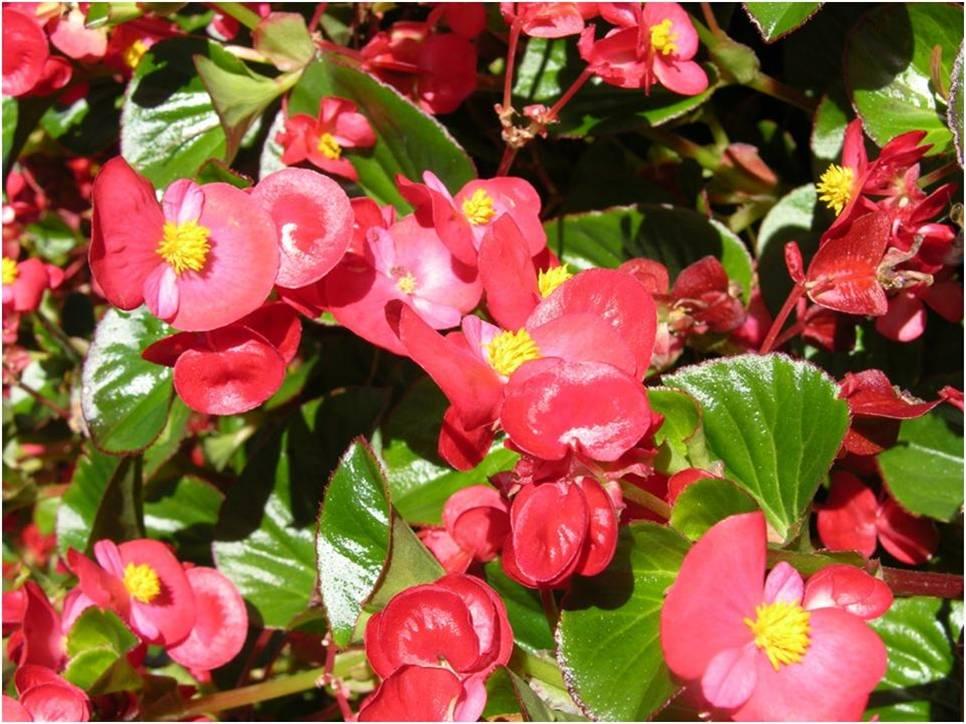
Ssemperflorens Cultorum, commonly known as bedding begonia, is a flowering plant species that belongs to the family Begoniaceae. It is a herbaceous plant that is commonly grown as an annual in temperate regions. The plant is known for its attractive foliage and flowers that come in a range of colors including pink, red, and white.
Plant Care Instructions
Outdoor Size Range
6-18 inches (15-45 cm)
Light Requirements
Bedding begonias prefer bright, indirect light. They can tolerate some direct sunlight, but too much can scorch their leaves.
Humidity Needs
Bedding begonias prefer moderate to high humidity levels. Mist the leaves regularly or place a tray of water nearby to increase humidity.
Fertilizing Schedule
Feed bedding begonias every two weeks during the growing season with a balanced, water-soluble fertilizer. Reduce feeding during the winter months.
Pruning Guidelines
Pinch back the tips of the stems to encourage bushier growth and remove spent flowers to promote more blooms.
Common Pests and Diseases
Common pests for bedding begonias include spider mites, mealybugs, and thrips. Diseases to watch out for include powdery mildew and botrytis blight.
Indoor Size Range
6-12 inches (15-30 cm)
Watering Schedule
These plants prefer consistently moist soil, but do not like to be waterlogged. Water when the top inch of soil feels dry to the touch.
Temperature Range
These plants prefer temperatures between 65-75°F (18-24°C). They can tolerate slightly cooler temperatures, but do not like to be exposed to frost.
Growing Season
The growing season for bedding begonias is from spring to fall. In colder climates, they are grown as annuals, but in warmer regions, they can be grown as perennials.
Growing Difficulty Level
Bedding begonias are relatively easy to grow, making them a popular choice for gardeners of all skill levels.
USDA Hardiness Zones
Bedding begonias are typically grown as annuals and can be grown in USDA zones 9-11.
Did You Know?
The genus Begonia was named after Michel Bégon, a French patron of botany who was governor of the French colony of Saint-Domingue (now Haiti) in the 18th century.
