Special Web Offer - Get 50% OFF!
Grab Your Deal Now
PlantSnap
Plant Care
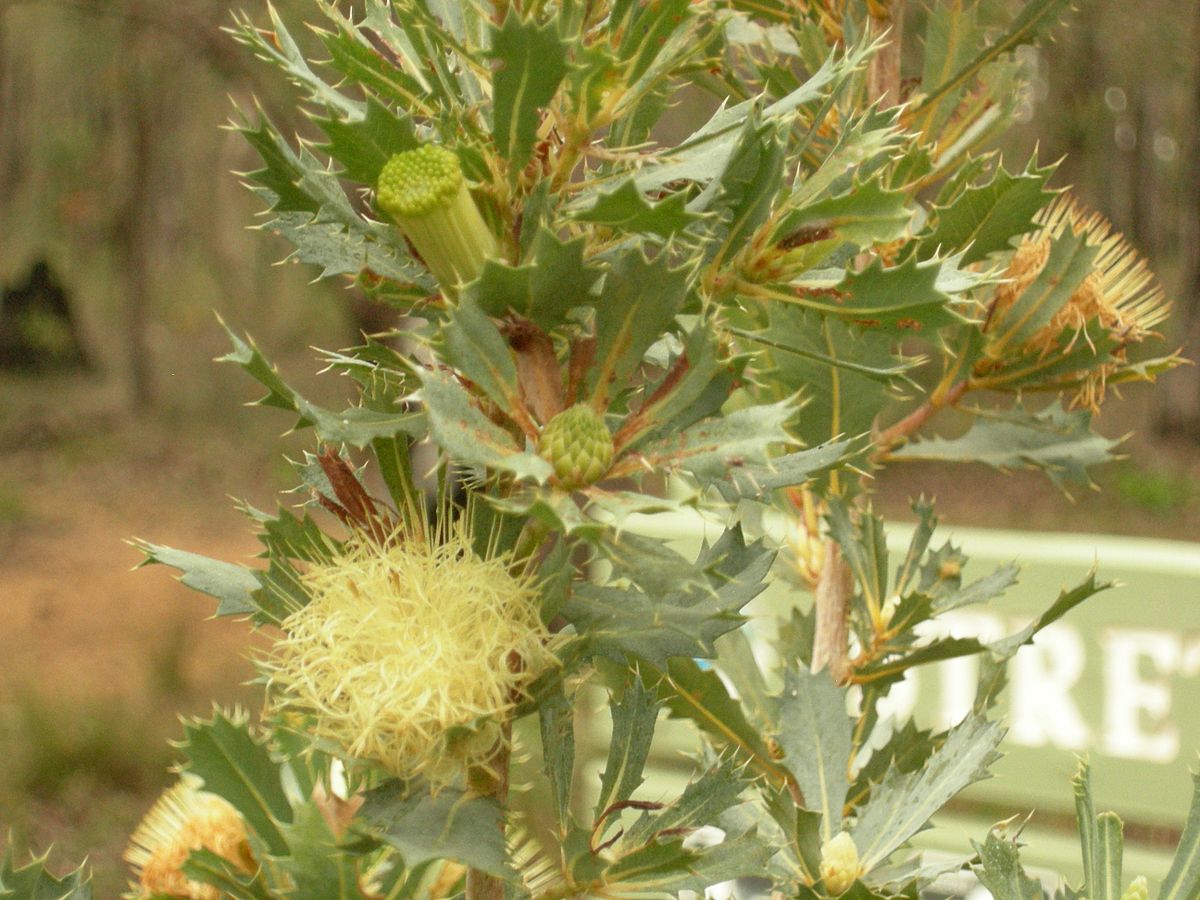
Parrot bush
(Banksia sessilis)
Also Known As
Parrot bush, Prostrate banksia, Mangles' banksia, Golden banksia
About This Plant
Banksia sessilis is a species of shrub in the family Proteaceae, native to the southwest of Western Australia. It grows up to 3 meters (9.8 feet) tall and has a width of up to 3 meters (9.8 feet). The leaves are dark green, leathery, and serrated, with a length of up to 25 centimeters (9.8 inches) and a width of up to 4 centimeters (1.6 inches). The flowers are cylindrical in shape and grow up to 12 centimeters (4.7 inches) long and 5 centimeters (2.0 inches) wide. They are usually yellow or green in color, but can also be pink or red.
Plant Care Instructions
Outdoor Size Range
Height: 3 meters (9.8 feet). Width: 3 meters (9.8 feet).
Light Requirements
Banksia sessilis requires full sun to partial shade. It can tolerate some shade, but it will not flower as well.
Humidity Needs
Banksia sessilis prefers low humidity and does not require any special humidity levels.
Fertilizing Schedule
Banksia sessilis does not require much fertilizer. A slow-release fertilizer can be applied once a year in spring.
Pruning Guidelines
Banksia sessilis does not require much pruning. Dead or damaged branches can be removed as needed. It is important to avoid pruning the plant too heavily, as this can cause it to produce fewer flowers.
Common Pests and Diseases
Banksia sessilis is generally not affected by pests or diseases. However, it can be susceptible to root rot if the soil is too wet.
Indoor Size Range
Not suitable for indoor cultivation.
Watering Schedule
Banksia sessilis is drought-tolerant and does not require much watering once it is established. Water it deeply once a week during the first year of growth. After that, it can be watered once every two weeks or so.
Temperature Range
Banksia sessilis can tolerate a wide range of temperatures, from 20°C (68°F) to 40°C (104°F). It can also tolerate light frost.
Growing Season
Banksia sessilis blooms from late winter to early summer.
Growing Difficulty Level
Banksia sessilis is easy to grow and requires little maintenance.
USDA Hardiness Zones
Banksia sessilis is hardy to USDA zones 9-11.
Did You Know?
Banksia sessilis is an important plant for the ecology of Western Australia, as it provides food and habitat for a variety of birds and animals, including parrots and honeyeaters.