Special Web Offer - Get 50% OFF!
Grab Your Deal Now
PlantSnap
Plant Care
Banana family
(Musaceae family)
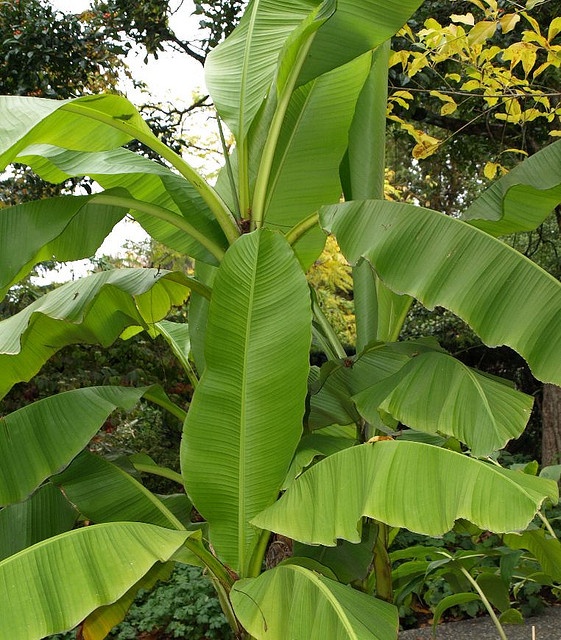
Also Known As
Banana family, Plantain family, Banana plants
About This Plant
The Musaceae family is a group of flowering plants known for their large leaves and fruits. The plants in this family are native to tropical regions of the world and are commonly grown for their edible fruit. The most well-known plant in this family is the banana plant.
Plant Care Instructions
Outdoor Size Range
15-30 feet (4.6-9.1 meters)
Light Requirements
Banana plants require full sun to partial shade. They need at least six hours of direct sunlight each day.
Humidity Needs
Banana plants require high humidity to thrive. They should be misted regularly and grown in a humid environment.
Fertilizing Schedule
Banana plants require regular fertilization to produce healthy fruit. They should be fertilized every two weeks during the growing season with a balanced fertilizer.
Pruning Guidelines
Banana plants require regular pruning to remove dead leaves and suckers. Suckers are small plants that grow from the base of the main plant and should be removed to prevent overcrowding.
Common Pests and Diseases
Common pests for banana plants include spider mites, aphids, and mealybugs. Diseases such as Panama disease and black sigatoka can also affect banana plants.
Indoor Size Range
6-9 feet (1.8-2.7 meters)
Watering Schedule
Banana plants require regular watering to keep the soil moist. They should be watered deeply once a week, or more often in hot, dry weather.
Temperature Range
Banana plants require warm temperatures to grow. They should be kept in temperatures between 75-85°F (24-29°C).
Growing Season
Banana plants can be grown year-round in tropical climates, but they typically produce fruit in the summer and fall.
Growing Difficulty Level
Banana plants can be difficult to grow indoors due to their large size and high humidity requirements. They are easier to grow outdoors in tropical climates.
USDA Hardiness Zones
Banana plants are hardy in USDA zones 9-11.
Did You Know?
The banana plant is not actually a tree, but a giant herb. It is the largest herbaceous flowering plant in the world.
