Special Web Offer - Get 50% OFF!
Grab Your Deal Now
PlantSnap
Plant Care
Common bamboo
(Bambusa vulgaris)
Also Known As
Common bamboo, Giant bamboo, Golden bamboo
About This Plant
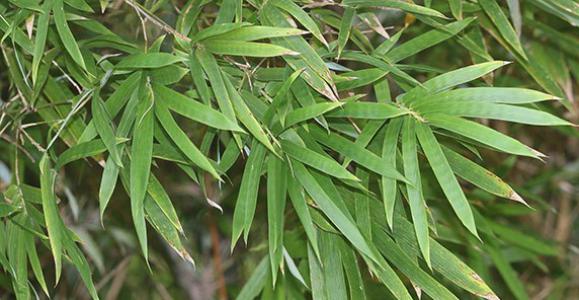
Bambusa vulgaris is a species of bamboo native to the tropical and subtropical regions of Asia, including South Asia, Southeast Asia, and parts of East Asia. It is a large, clumping bamboo with tall, straight culms (stems) that can reach up to 30 m (98 ft) in height and 15 cm (5.9 in) in diameter. The culms are green when young, turning yellow with age, and have prominent nodes with branches emerging from them.
Plant Care Instructions
Outdoor Size Range
Height: 30m (98ft) Width: 15cm (5.9in)
Light Requirements
Bambusa vulgaris prefers full sun but can tolerate partial shade.
Humidity Needs
Bambusa vulgaris prefers high humidity levels, ideally between 50-70%. It can benefit from occasional misting during dry periods.
Fertilizing Schedule
Bambusa vulgaris benefits from regular fertilization during the growing season. A balanced fertilizer with equal amounts of nitrogen, phosphorus, and potassium is recommended.
Pruning Guidelines
Pruning is not necessary for this bamboo, but it can be done to control its size and shape. It is recommended to prune in late winter or early spring before new growth appears.
Common Pests and Diseases
Common pests for Bambusa vulgaris include bamboo mites, scale insects, and mealybugs. Diseases such as bamboo mosaic virus and bamboo blight can also affect this plant.
Indoor Size Range
Not suitable for indoor cultivation
Watering Schedule
This bamboo requires regular watering, especially during the first few years of growth. It prefers moist soil but can tolerate short periods of drought.
Temperature Range
This bamboo thrives in warm temperatures and can tolerate temperatures as low as 10°C (50°F) and as high as 38°C (100°F).
Growing Season
Bambusa vulgaris can be grown year-round in tropical and subtropical climates. In cooler climates, it is best to plant in the spring or summer.
Growing Difficulty Level
Bambusa vulgaris is relatively easy to grow, but its large size can make it difficult to manage in smaller gardens or landscapes.
USDA Hardiness Zones
Bambusa vulgaris is hardy in USDA zones 9-11.
Did You Know?
Bamboo is the fastest growing plant in the world, with some species capable of growing up to 91 cm (35 in) in just one day!
