Special Web Offer - Get 50% OFF!
Grab Your Deal Now
PlantSnap
Plant Care
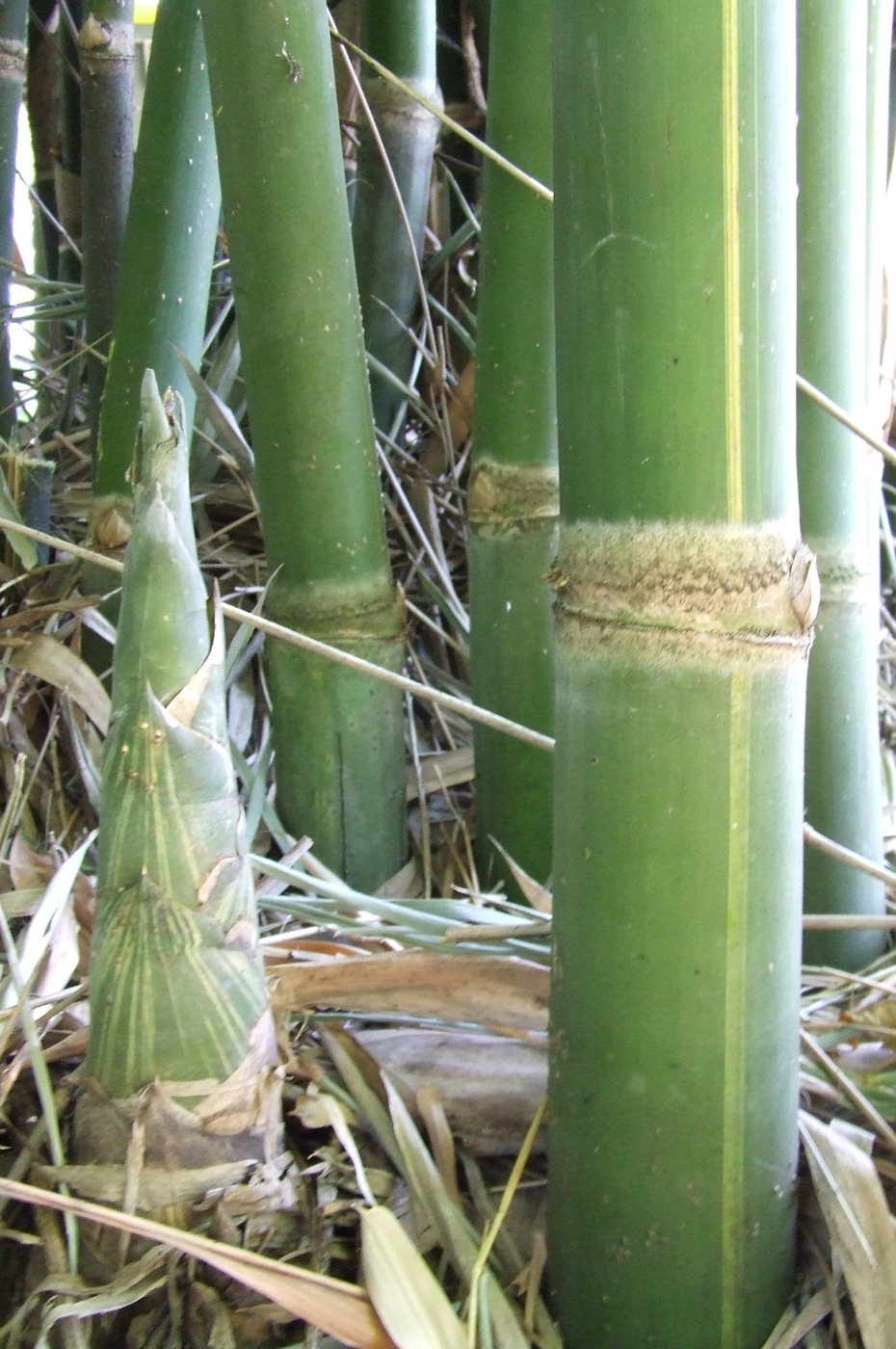
Nodding bamboo
(Bambusa nutans)
Also Known As
Nodding bamboo, Nodding indian bamboo
About This Plant
Bambusa nutans is a species of bamboo known for its unique zigzag culms and dense foliage. It is a clumping bamboo that can grow up to 30 feet (9.1 meters) tall and 4 inches (10 cm) in diameter. The culms are green and turn yellow with age. The leaves are long and narrow, and the plant produces small flowers followed by edible seeds.
Plant Care Instructions
Outdoor Size Range
20 - 30 feet (6.1 - 9.1 meters) tall and 4 inches (10 cm) in diameter
Light Requirements
Bambusa nutans prefers full sun but can tolerate partial shade.
Humidity Needs
Bambusa nutans prefers high humidity levels, around 60-70%. It can benefit from misting or a humidifier.
Fertilizing Schedule
It benefits from regular fertilization during the growing season with a balanced fertilizer. Avoid fertilizing during the dormant season.
Pruning Guidelines
Pruning is not necessary for Bambusa nutans, but it can benefit from thinning to improve air circulation and light penetration.
Common Pests and Diseases
Common pests include bamboo mites, bamboo mealybugs, and bamboo scales. Diseases include bamboo mosaic virus and bamboo blight.
Indoor Size Range
Not suitable for indoor growth
Watering Schedule
It requires regular watering, especially during the growing season. The soil should be kept moist but not waterlogged.
Temperature Range
It can tolerate a wide range of temperatures, from 20°F (-6°C) to 100°F (38°C).
Growing Season
Bambusa nutans grows best in the spring and summer months.
Growing Difficulty Level
Bambusa nutans is moderately difficult to grow. It requires regular care and attention, but it is relatively resilient and can tolerate a range of growing conditions.
USDA Hardiness Zones
Bambusa nutans is hardy in USDA zones 8b to 11.
Did You Know?
Bambusa nutans is used in traditional Chinese medicine to treat a variety of ailments, including respiratory infections and fever.
