Special Web Offer - Get 50% OFF!
Grab Your Deal Now
PlantSnap
Plant Care
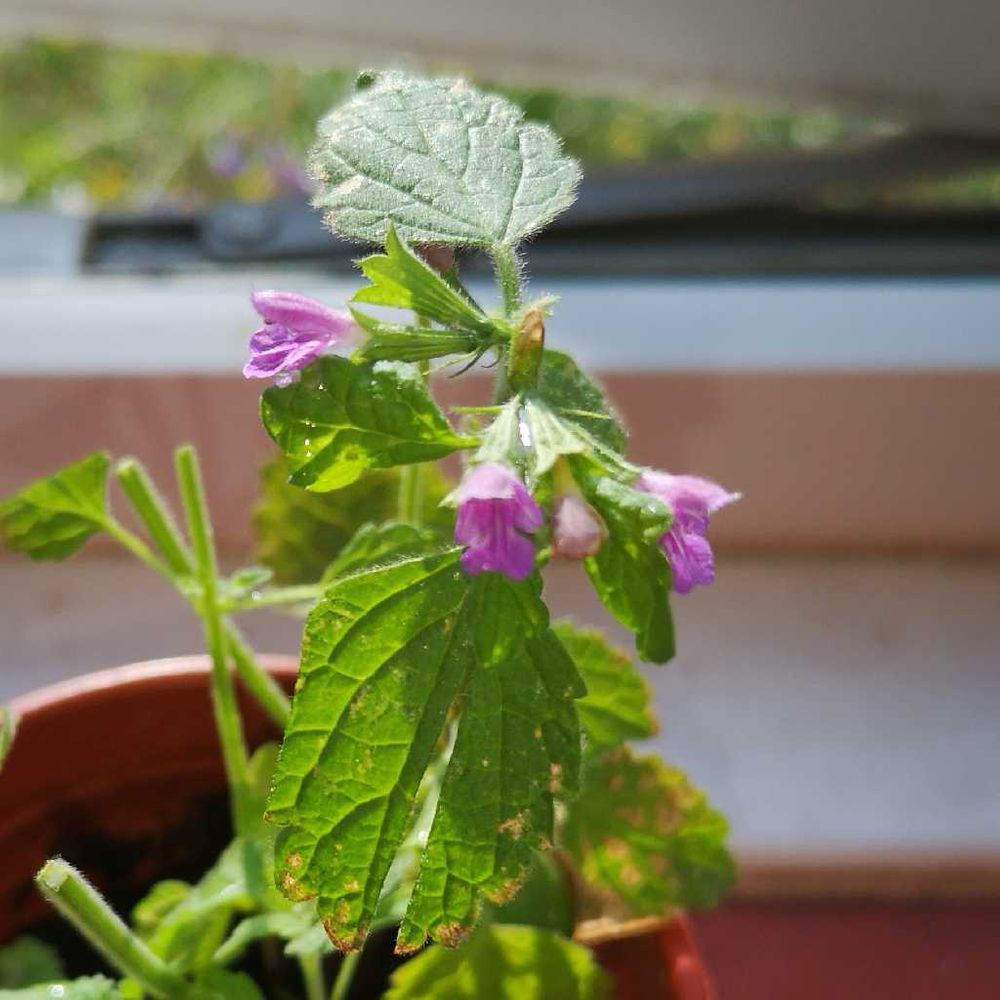
Black horehound
(Ballota nigra)
Also Known As
Black horehound, Bull's blood, Dead nettle, Scented plant
About This Plant
Ballota nigra is a perennial herbaceous plant that belongs to the mint family. It grows up to 1 meter in height and has a bushy appearance. The stems are woody at the base and herbaceous at the top. The leaves are grayish-green, woolly, and have a wrinkled appearance. The flowers are small, pinkish-purple, and bloom in the summer.
Plant Care Instructions
Outdoor Size Range
24-36 inches (60-90 cm)
Light Requirements
Ballota nigra prefers full sun to partial shade. It can tolerate shade, but it may result in leggy growth and reduced flowering.
Humidity Needs
It can tolerate low to average humidity levels.
Fertilizing Schedule
It doesn't require a lot of fertilizer. A balanced fertilizer can be applied once a month during the growing season.
Pruning Guidelines
Pruning can be done in the spring to promote bushier growth and more flowers. Cut back the stems by one-third to one-half of their length.
Common Pests and Diseases
Ballota nigra is generally pest and disease resistant. However, spider mites and whiteflies can be a problem in hot and dry conditions.
Indoor Size Range
12-24 inches (30-60 cm)
Watering Schedule
It prefers well-draining soil and moderate watering. Overwatering can lead to root rot, so it's important to let the soil dry out slightly between waterings.
Temperature Range
Ballota nigra can tolerate a wide range of temperatures, from as low as 15°F (-9°C) to as high as 100°F (38°C). However, it prefers temperatures between 60°F (15°C) and 75°F (24°C).
Growing Season
The growing season for Ballota nigra is from late spring to early fall.
Growing Difficulty Level
Ballota nigra is a relatively easy plant to grow. It's drought tolerant and can tolerate a wide range of temperatures.
USDA Hardiness Zones
Ballota nigra is hardy in USDA zones 5 to 9.
Did You Know?
Ballota nigra was historically used as a medicinal herb to treat respiratory and digestive problems. It was also believed to have magical properties and was used to ward off evil spirits.