Special Web Offer - Get 50% OFF!
Grab Your Deal Now
PlantSnap
Plant Care
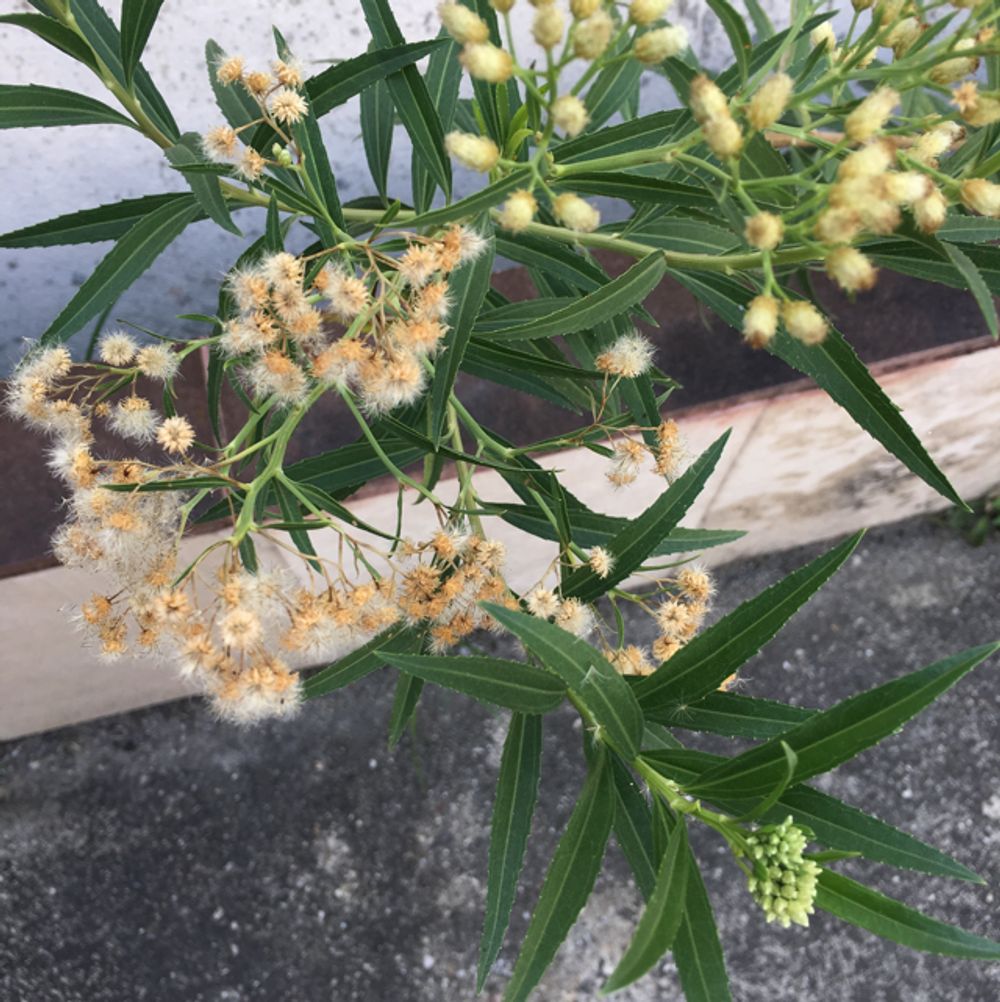
Seep willow
(Baccharis salicifolia)
Also Known As
Seep willow, Mule fat, Willow baccharis
About This Plant
Baccharis salicifolia is a flowering plant species native to South America, particularly in Argentina, Bolivia, Chile, and Peru. It is an evergreen shrub that can grow up to 6 meters (20 feet) tall and 3 meters (10 feet) wide. The plant has narrow, willow-like leaves and produces small, white flowers that bloom from late summer to early fall.
Plant Care Instructions
Outdoor Size Range
6 - 20 feet (1.8 - 6 meters)
Light Requirements
Baccharis salicifolia prefers full sun to partial shade. It can tolerate some shade, but it may not flower as well.
Humidity Needs
The plant prefers low humidity and can tolerate dry air.
Fertilizing Schedule
The plant does not require fertilization, but it will benefit from a balanced fertilizer in the spring.
Pruning Guidelines
Prune the plant in the late winter or early spring to control its size and shape. Baccharis salicifolia can be pruned back to the ground if necessary, and it will regrow from the roots.
Common Pests and Diseases
Baccharis salicifolia is relatively pest-free, but it may attract aphids, spider mites, or whiteflies. These pests can be controlled with insecticidal soap or neem oil.
Indoor Size Range
Not suitable for indoor growth
Watering Schedule
The plant is drought-tolerant and can survive in dry conditions. However, it will grow best with regular watering during the growing season. Allow the soil to dry out slightly between waterings.
Temperature Range
Baccharis salicifolia is hardy in USDA zones 8 to 10. It can tolerate a wide range of temperatures, from 23°F (-5°C) to 104°F (40°C).
Growing Season
The plant grows best in the spring and summer, but it can tolerate dry conditions in the fall and winter.
Growing Difficulty Level
Baccharis salicifolia is easy to grow and requires little maintenance. It is a good choice for xeriscaping and can be used in native plant gardens.
USDA Hardiness Zones
USDA hardiness zones 8 to 10
Did You Know?
Baccharis salicifolia is also known as 'Mule Fat' because its branches were used to make whips for mules and horses in the past.
