Special Web Offer - Get 50% OFF!
Grab Your Deal Now
PlantSnap
Plant Care
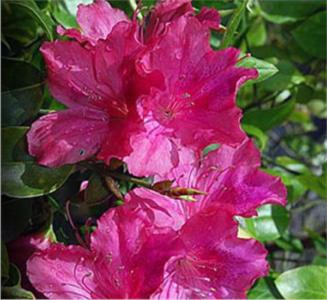
Pale azalea
(Azalea pallida)
Also Known As
Pale azalea, Wild azalea, Pink azalea
About This Plant
Azalea pallida is a deciduous shrub that grows up to 6 feet tall (1.8 meters). It has a spreading habit and a moderate growth rate. The leaves are elliptic and up to 2 inches (5 cm) long, with a pale green color. The flowers are fragrant, funnel-shaped, and up to 2 inches (5 cm) wide. They bloom in early spring before the leaves emerge and are usually pale pink to white in color.
Plant Care Instructions
Outdoor Size Range
3-6 feet (0.9-1.8 meters)
Light Requirements
Azalea pallida prefers partial shade to full sun. In hot climates, it benefits from some afternoon shade.
Humidity Needs
Azalea pallida prefers high humidity. It benefits from regular misting and can be grown in a humid environment, such as a greenhouse.
Fertilizing Schedule
Azalea pallida benefits from regular fertilization with an acidic fertilizer. It is important not to over-fertilize, as this can damage the plant.
Pruning Guidelines
Azalea pallida should be pruned after flowering to maintain its shape and encourage bushy growth. It is important not to prune too heavily, as this can reduce flowering in the following year.
Common Pests and Diseases
Common pests of Azalea pallida include lace bugs, spider mites, and caterpillars. Diseases that can affect this plant include powdery mildew and root rot.
Indoor Size Range
Not suitable for indoor cultivation
Watering Schedule
Azalea pallida prefers moist, well-drained soil. It is important not to let the soil dry out completely, but also to avoid overwatering.
Temperature Range
Azalea pallida is hardy in USDA zones 6 to 9. It prefers cool temperatures and can suffer in hot, dry conditions.
Growing Season
Azalea pallida blooms in early spring and has a growing season from spring to fall.
Growing Difficulty Level
Azalea pallida is moderately difficult to grow. It requires specific soil and environmental conditions to thrive and can be susceptible to pests and diseases.
USDA Hardiness Zones
6-9
Did You Know?
Azalea pallida is known for its fragrant flowers, which have a spicy, clove-like scent.
