Special Web Offer - Get 50% OFF!
Grab Your Deal Now
PlantSnap
Plant Care
Azalea
(Azalea albicans)
Also Known As
Azalea, White azalea, Albino azalea, Ghost azalea
About This Plant
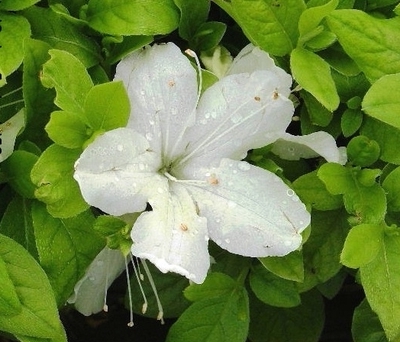
Azalea albicans is a species of flowering plant in the heath family. It is a small shrub that grows up to 3 feet (0.91 meters) tall and 4 feet (1.22 meters) wide. The plant produces small, white, funnel-shaped flowers that bloom in the spring.
Plant Care Instructions
Outdoor Size Range
2-3 feet (0.61-0.91 meters) tall and 3-4 feet (0.91-1.22 meters) wide
Light Requirements
Azalea albicans prefers partial shade to full sunlight. The plant needs at least 4 hours of direct sunlight per day to bloom well.
Humidity Needs
Azalea albicans prefers high humidity levels. Mist the plant regularly or place a humidifier nearby to maintain humidity levels.
Fertilizing Schedule
Fertilize the plant with a balanced, water-soluble fertilizer once a month during the growing season (spring and summer).
Pruning Guidelines
Prune the plant after flowering to shape it and remove any dead or diseased branches.
Common Pests and Diseases
Common pests that affect Azalea albicans include lace bugs, spider mites, and caterpillars. Diseases that affect the plant include powdery mildew and root rot.
Indoor Size Range
12-24 inches (30.5-61 cm)
Watering Schedule
The plant requires consistently moist but not waterlogged soil. Water the plant when the top inch of soil feels dry to the touch.
Temperature Range
The plant prefers cool temperatures between 60-65°F (15.5-18.3°C). Avoid exposing the plant to temperatures above 70°F (21.1°C) as it can cause the flowers to wilt.
Growing Season
The growing season for Azalea albicans is in the spring and summer.
Growing Difficulty Level
Azalea albicans is moderately difficult to grow. It requires specific growing conditions and regular maintenance to thrive.
USDA Hardiness Zones
Azalea albicans is hardy in USDA zones 7-9.
Did You Know?
In Japan, azaleas are a symbol of womanhood and are often given as gifts to congratulate young women on their coming of age.
