Special Web Offer - Get 50% OFF!
Grab Your Deal Now
PlantSnap
Plant Care
Neem
(Azadirachta indica)
Also Known As
Neem, Indian lilac, Margosa tree, Dogoyaro, Nimba
About This Plant
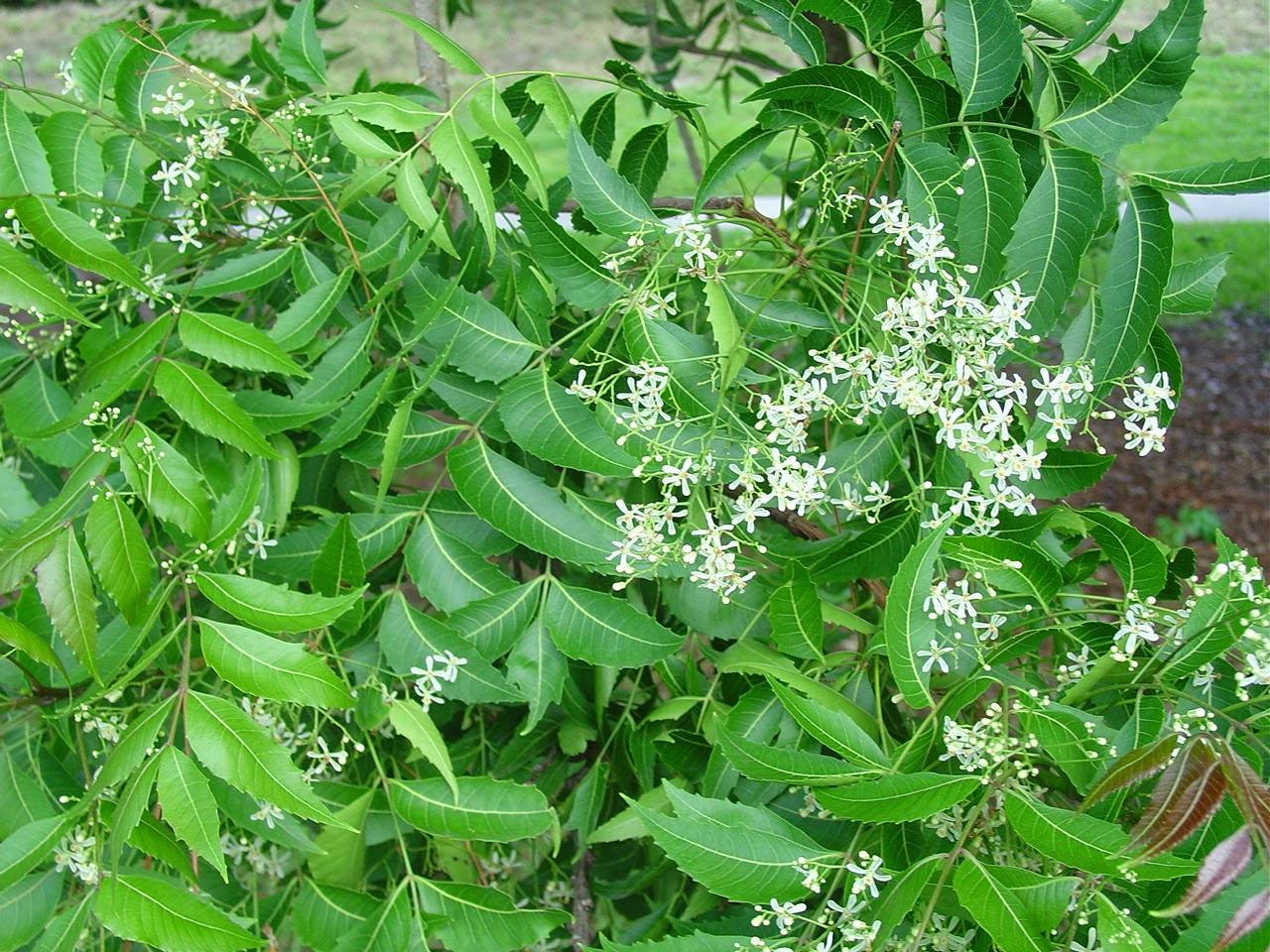
Azadirachta indica, commonly known as neem, is a fast-growing evergreen tree that can reach up to 50-65 feet (15-20 meters) in height. It has a straight trunk with a diameter of up to 3-4 feet (1-1.2 meters) and a dense, rounded crown of dark green foliage.
Plant Care Instructions
Outdoor Size Range
50-65 feet (15-20 meters) in height and 3-4 feet (1-1.2 meters) in diameter
Light Requirements
Neem can tolerate a wide range of light conditions, from full sun to partial shade. However, it prefers full sun for optimal growth and flowering.
Humidity Needs
Neem prefers moderate to high humidity levels, but can tolerate dry air.
Fertilizing Schedule
Neem does not require regular fertilization, but can benefit from a balanced fertilizer once or twice a year.
Pruning Guidelines
Pruning is not necessary for neem, but can be done to maintain its shape or remove dead or diseased branches.
Common Pests and Diseases
Neem is known for its insecticidal properties and is used to control a wide range of pests, including aphids, mealybugs, spider mites, and whiteflies. However, it can attract scale insects and caterpillars.
Indoor Size Range
Not suitable for indoor growth
Watering Schedule
Neem is drought-tolerant and can survive on low levels of water. However, it grows best with regular watering during the growing season.
Temperature Range
Neem can tolerate a wide range of temperatures, from 35°F to 120°F (2°C to 49°C). However, it prefers warm temperatures between 70°F and 100°F (21°C and 38°C).
Growing Season
Neem can be grown year-round in tropical climates, but is best planted in the spring or fall in temperate regions.
Growing Difficulty Level
Neem is relatively easy to grow, but can be challenging to propagate from seeds.
USDA Hardiness Zones
Neem is hardy in USDA zones 10-12.
Did You Know?
Neem has been used for centuries in traditional medicine and is known for its antibacterial, antifungal, and anti-inflammatory properties. It is also used in many cosmetic and personal care products.
